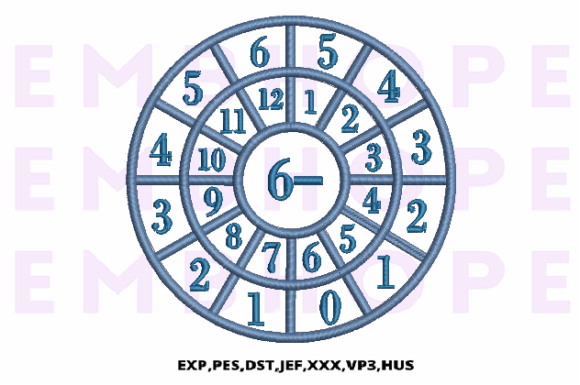
Review: Minus Wheel 6 for Educational Embroidery Projects
As an embroidery designer who spends a significant amount of time sourcing design assets for both personal creativity and commercial client work, I am always on the lookout for files that bridge the gap between educational utility and aesthetic appeal. Recently, I evaluated Minus Wheel 6 from Creative Fabrica with a specific project in mind: a line of custom classroom decor and personalized learning tools for a local elementary school. The promise of "bright and cheery" designs to encourage math practice caught my eye, but as any experienced digitizer or machine operator knows, the devil is often in the stitch details.
First Impressions and Visual Mood
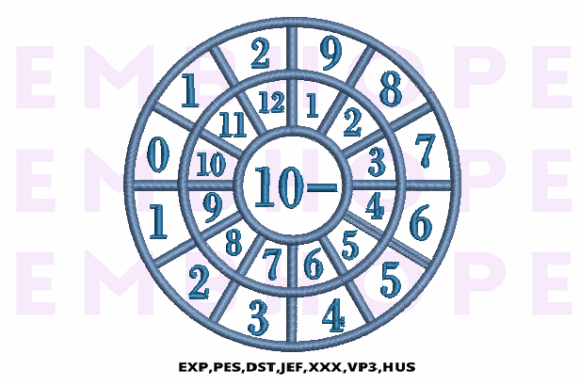
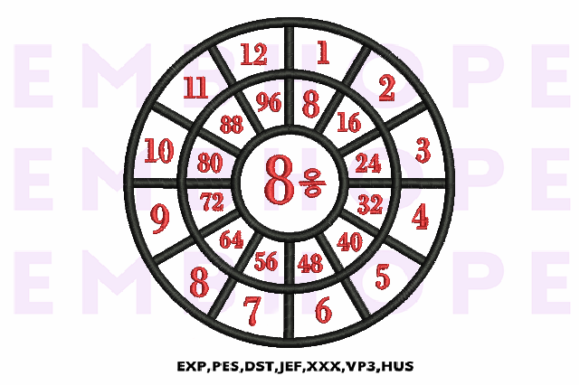
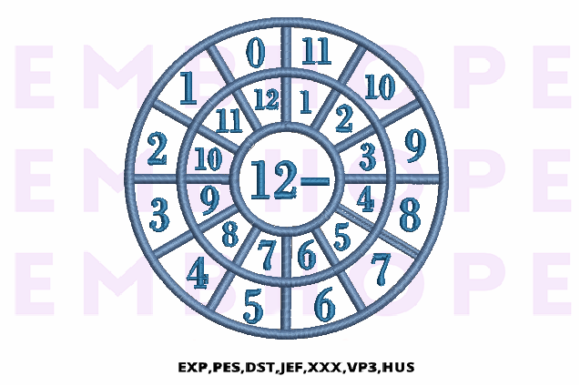
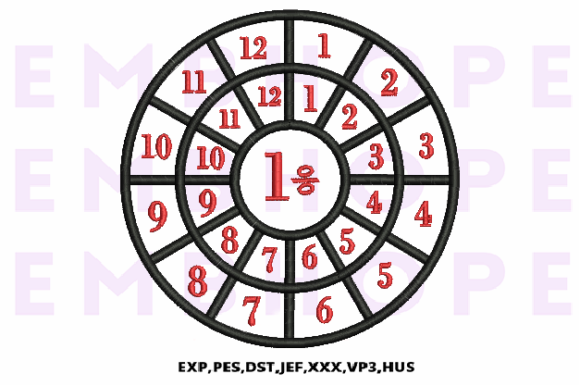
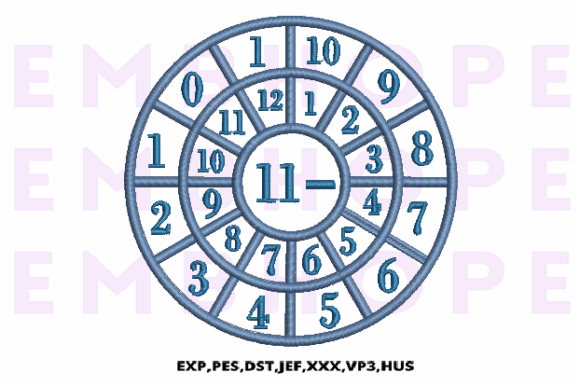
Upon downloading the digital embroidery file, my first impression was one of optimism. The visual mood of Minus Wheel 6 aligns perfectly with the needs of a School environment. It avoids the sterile, clip-art look that often plagues educational materials, opting instead for a softer, hand-crafted feel that translates beautifully into thread. The design personality suggests a playful approach to subtraction, using circular motifs that naturally guide the eye toward the center where the mathematical action happens.
For those of us creating handmade products, the decorative appeal here is strong. It does not feel like a rigid diagram but rather a friendly invitation to learn. When viewing the preview images, the color palette appears vibrant without being overwhelming, which is crucial when working with thread colors that need to pop against various fabric backgrounds. Whether you are aiming for a primary school vibe or a softer nursery aesthetic, this design offers a versatile foundation.
Performance in Real-World Applications
The true test of any machine embroidery design is how it performs once hooped and stitched. I considered Minus Wheel 6 for several potential applications before settling on a pilot run for tote bags and apron panels. Here is how I anticipate this design performing across different mediums:
- Custom Apparel and Sweatshirts: The circular nature of the wheel makes it an ideal candidate for chest logos on kids' sweatshirt embroidery projects. However, care must be taken with stretchy fabrics. The density of the wheel spokes needs to be balanced so the garment remains comfortable.
- Tote Bags and Aprons: This is likely the strongest use case. A canvas tote bag design featuring these math wheels creates a functional "homework helper" bag. The flat surface of a tote or apron allows for maximum stability, ensuring the intricate details of the wheel remain crisp.
- Patches and Caps: Creating an embroidered patch with this design could be a fantastic way to reward students. However, applying this to a curved cap surface requires careful attention to push and pull factors. The circular symmetry helps, but registration must be perfect to avoid distorting the numbers.
- Nursery Decor and Pillows: For home-schooling families, this design fits well on pillow covers or wall hangings. It transforms a learning tool into a piece of nursery decor that doesn't look out of place in a living room.
Technical Considerations for the Embroiderer
While the concept is charming, practical execution requires a critical eye. Before committing to a large order of commercial embroidery products, there are several technical aspects of Minus Wheel 6 that require verification.
Stitch Density and Fabric Choice
Educational designs often rely on clear legibility. If the stitch density in the number sections or the wheel dividers is too high, it can cause puckering, especially on lighter weight fabrics like poly-cotton blends used in school uniforms. Conversely, if the density is too low, the fabric might show through, reducing contrast. I strongly advise running a test stitch-out on scrap fabric identical to your final material. Pay close attention to how the satin stitch elements interact with any fill stitch areas. Smooth transitions are key to a professional finished product.
Hoop Size and Layout
One of the most common pitfalls with wheel-style designs is underestimating the required hoop size. Ensure that the entire wheel fits within your hoop without needing to re-hoop mid-design, which can lead to alignment issues. If the design includes small text or tiny numerical indicators, verify that your machine can handle the detail level. Tiny lettering can easily become a blob of thread if the resolution isn't supported by your needle and thread combination.
Stabilizer Strategy
Given that these items (totes, aprons, classroom banners) may undergo frequent washing, the choice of stabilizer is non-negotiable. For woven fabrics like canvas or twill, a cut-away stabilizer is often safer than tear-away to prevent distortion over time. If you are stitching on dark fabric, check the underlay settings. You may need to adjust your thread choices or add a layer of topping if the design utilizes light threads on dark backgrounds to prevent shadowing.
Enhancing Product Value and Brand Trust
Incorporating Minus Wheel 6 into your product line can significantly boost perceived value. For Etsy sellers and boutique owners, offering personalized educational tools sets you apart from mass-produced plastic alternatives. A personalized gift featuring a child's name alongside this math wheel demonstrates thoughtfulness and quality.
From a branding perspective, consistency is key. If you are building a shop focused on teacher gifts or homeschool supplies, the cohesive look of this design series helps establish brand recognition. High-quality stitching builds buyer trust; a clean, pucker-free wheel signals professionalism. Furthermore, these designs photograph exceptionally well for printable mockup creation. The bright colors and distinct shapes create eye-catching thumbnails for online listings, driving customer engagement.
Final Verdict and Best Practices
Minus Wheel 6 stands out as a thoughtful addition to the Creative Fabrica embroidery library for anyone targeting the education sector. It successfully merges function with fun, offering a design that teachers and parents will appreciate. However, its success in your hands depends entirely on your preparation.
Before listing this as a custom apparel option or selling finished goods at a craft fair, adhere to these final checks:
- Verify Licensing: Always review the specific license terms on the product page. While many Creative Fabrica designs allow for commercial use on physical goods, confirming the limits on sales volume or usage types is essential for legal peace of mind.
- Check File Formats: Ensure the download includes the specific embroidery file format compatible with your machine (e.g., PES, DST, EXP). Do not assume universal compatibility without checking.
- Test Color Contrast: Math needs to be readable. Test your thread chart to ensure the numbers contrast sharply against the wheel background.
- Inspect Small Details: After your test run, wash and dry the sample. Check for any loose threads or distortion. This step is vital for products that will see heavy use in a classroom setting.
In conclusion, Minus Wheel 6 is a promising asset for designers looking to expand their catalog into educational Embroidery. With careful attention to stabilizer, fabric choice, and machine settings, it can be transformed from a simple digital file into a cherished learning tool that brings joy and clarity to young mathematicians.