Division Wheel 8: A Review for School Embroidery Projects
As an embroidery designer who spends a significant amount of time sourcing design assets for both personal creativity and commercial client work, I am always on the lookout for files that bridge the gap between educational utility and aesthetic appeal. Recently, I evaluated Division Wheel 8 from Creative Fabrica with a specific project in mind: a line of custom tote bags and aprons for a local elementary school's end-of-year teacher appreciation event. The goal was to create something that felt professional yet playful, suitable for a School environment without looking like generic clipart. Here is my honest assessment of how this machine embroidery design holds up under real-world production conditions.
First Impressions and Visual Mood
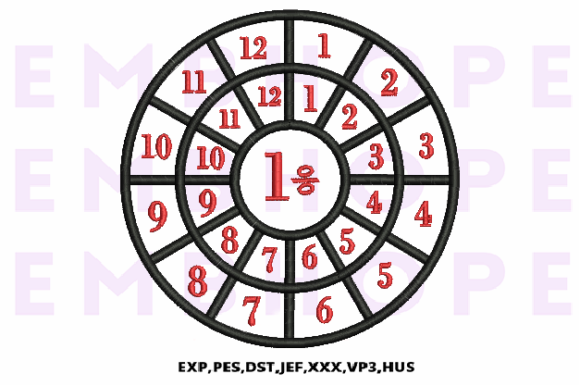
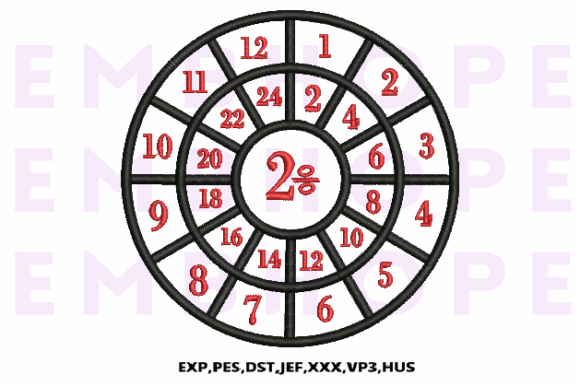
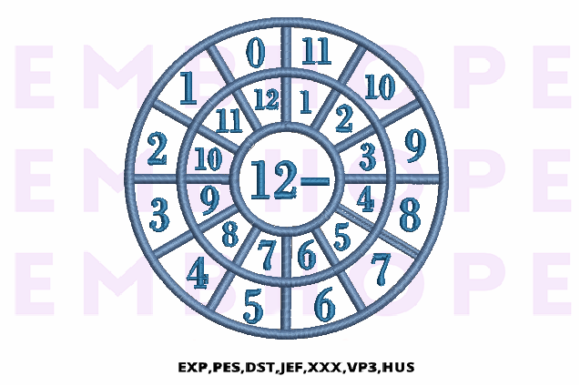
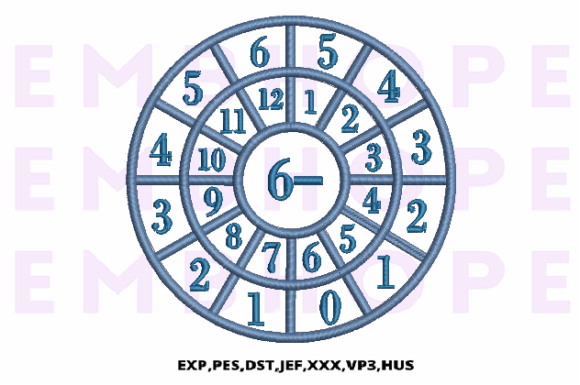
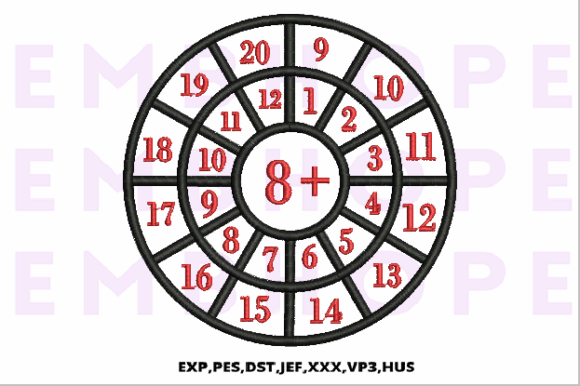
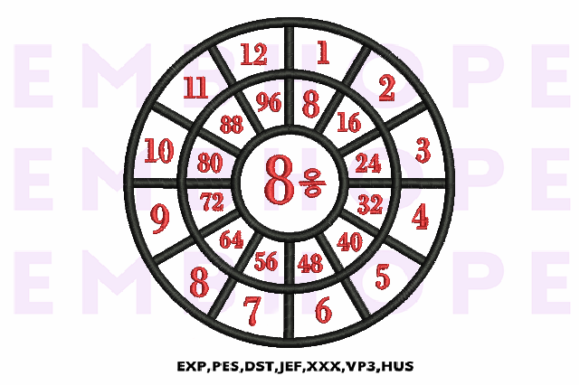
Upon downloading the embroidery file, the first thing that strikes you about Division Wheel 8 is its bright and cheery demeanor. The design is clearly intended to make mathematics approachable and fun for children. Visually, it possesses a "stitching personality" that leans towards clean, defined lines rather than overly complex textures. This is crucial when working on products that need to be read quickly, such as classroom decor or wearable items for busy teachers.
The layout suggests a strong decorative appeal that fits naturally into educational settings. Unlike some novelty designs that rely heavily on tiny, fragile details, this wheel concept appears robust. For an embroidery designer, the immediate thought is versatility. While the primary use case is obviously educational, the geometric nature of a "wheel" allows it to be adapted for various handmade products beyond just school supplies. It has the potential to work as a central motif on a tote bag design or as a chest logo on a sweatshirt embroidery project for a tutoring center or math club.
Performance on Real-World substrates
When considering Division Wheel 8 for actual customer orders, fabric selection becomes the most critical variable. I mentally ran through several scenarios where this design would shine and where it might require extra caution.
- Tote Bags and Aprons: These are likely the best candidates. The typically sturdy cotton or canvas used for these items provides a stable base for the fill stitch and satin stitch elements likely present in a design of this nature. The structure of the fabric supports the design without excessive sinking.
- Sweatshirts and Custom Apparel: Applying this to fleece or French terry requires attention to stitch density. If the design is too dense, it can cause the fabric to pucker or become stiff. For a comfortable custom apparel piece, one must ensure the underlay is sufficient to prevent the garment texture from showing through the bright colors.
- Caps and Curved Surfaces: Embroidering on a cap is always a challenge. The curved surface of a front panel can distort circular designs like a division wheel. If you plan to use this for an embroidered patch or direct-to-garment cap application, careful hooping and potentially a stronger backing are essential to maintain the round shape.
- Kitchen Towels and Baby Items: For items that undergo frequent washing, the integrity of the stitches is paramount. A design meant for a classroom needs to withstand laundering. Ensuring proper stabilization is key here to prevent edge lifting after multiple cycles.
Technical Considerations for Production
Before committing to a large run of commercial embroidery products using Division Wheel 8, there are several technical factors that every small business owner or crafter must verify. Since the product description highlights its use for encouraging kids to practice maths, we can assume there may be numerical elements or text involved.
Hoops and Sizing: One must confirm the required hoop size before purchasing. If the design is large, it might not fit on standard home machine hoops without re-hooping, which risks registration errors. For smaller items like patches or pocket logos, ensure the design scales down without losing legibility. Tiny lettering or thin lines can vanish if the design is resized too small.
Fabric and Thread Contrast: The "bright and cheery" description implies a vibrant color palette. However, when stitching on dark fabrics, you must check if the design includes a solid underlay or background fill to prevent the garment color from altering the intended look of the math wheel. Testing thread color contrast on scrap fabric is non-negotiable. What looks good on the screen might lack pop on a navy blue sweatshirt or a forest green apron.
Stabilizer Selection: Given the potential for this design to be used on stretchy fabrics (like toddler tees) or textured materials (like towels), choosing the right stabilizer is vital. A cut-away stabilizer is often safer for items that will be washed repeatedly, ensuring the finished product remains flat and professional-looking over time.
Enhancing Product Value and Brand Trust
For Etsy sellers and boutique merchandise creators, the choice of design directly impacts perceived value. Using a well-digitized file like Division Wheel 8 can elevate a simple tote bag into a thoughtful, specialized gift. When customers see clean satin edges and consistent fill patterns, it builds buyer trust. It signals that the maker cares about quality, which is essential for maintaining a strong brand reputation in the handmade community.
Furthermore, this design aids in product photography. The clear, graphic nature of a division wheel creates a focal point that photographs well for online listings or printable mockups. It tells a story immediately—education, fun, and creativity—which helps with customer engagement. Whether selling at a craft fair or online, having a cohesive theme like "School" helps in marketing specific collections to parents and teachers.
Final Verdict and Practical Advice
Division Wheel 8 presents itself as a solid option for those looking to expand their catalog of educational or youth-oriented Embroidery products. Its strength lies in its thematic clarity and likely robust construction suitable for high-use items. However, as with any digital embroidery file sourced from platforms like Creative Fabrica, due diligence is required.
Before starting production on any personalized gift or bulk order, I strongly advise the following steps:
- Test Stitch First: Always stitch out the design on a scrap piece of the exact fabric you intend to use for the final product. This reveals issues with tension, density, or registration.
- Check Licensing Terms: Review the license on the Creative Fabrica product page. Ensure that the terms allow for commercial use if you plan to sell finished items like aprons or patches.
- Inspect File Details: Verify the available formats match your machine and check the recommended hoop size. Do not assume compatibility; always read the specific file notes provided by the creator.
- Evaluate Small Details: After the test stitch, inspect small details closely. Are the numbers legible? Do the wheel segments align correctly? These细微 details determine the professionalism of your handmade product.
In conclusion, Division Wheel 8 offers a charming solution for bringing math to life through thread. With careful attention to fabric choice, stabilization, and testing, it can be a valuable addition to your library of design assets, helping you create meaningful, high-quality items for the education market and beyond.