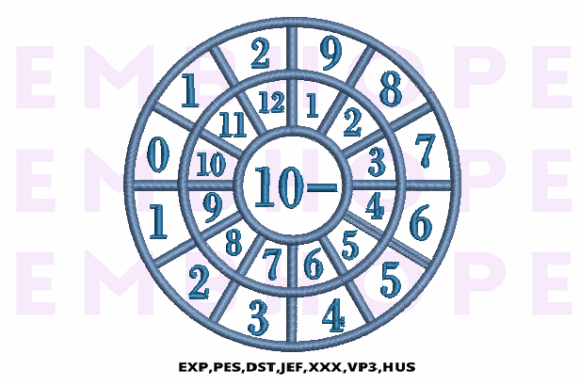
Review: Minus Wheel 10 for Educational Embroidery
As an embroidery designer who spends most of my days digitizing custom logos and sourcing assets for client orders, I am always on the lookout for design assets that bridge the gap between functional education and decorative art. Recently, I came across Minus Wheel 10 on Creative Fabrica, a product situated firmly in the School category. My initial goal was to determine if this specific machine embroidery design could hold up under the scrutiny of a real-world commercial project, specifically for a local boutique looking to create educational yet stylish items for children.
First Impressions and Visual Mood
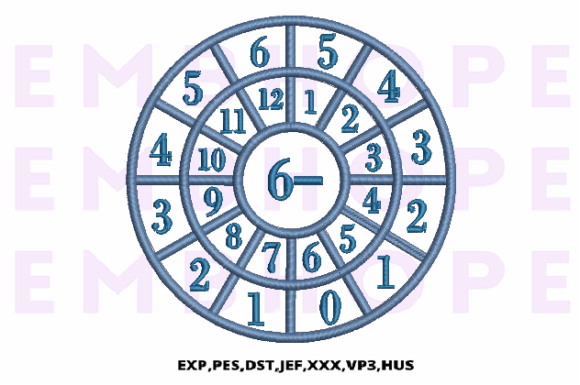
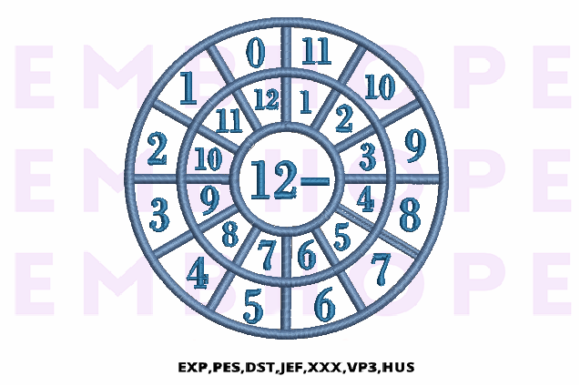
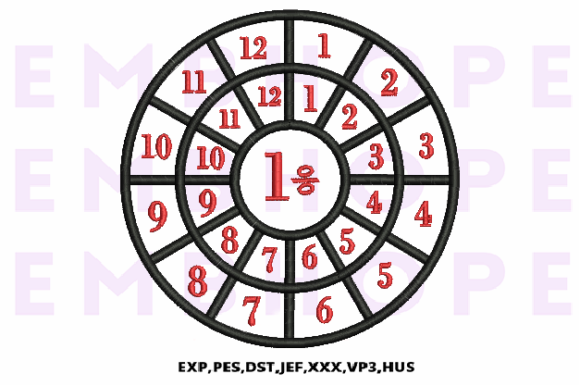
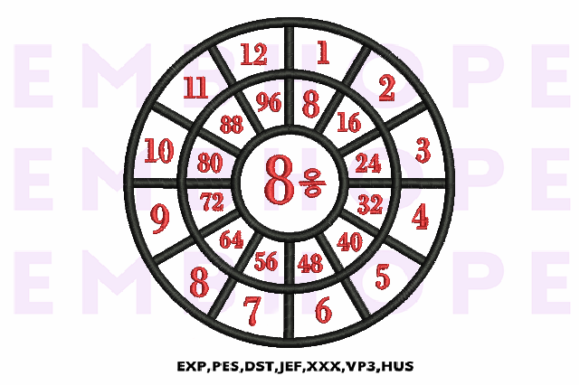
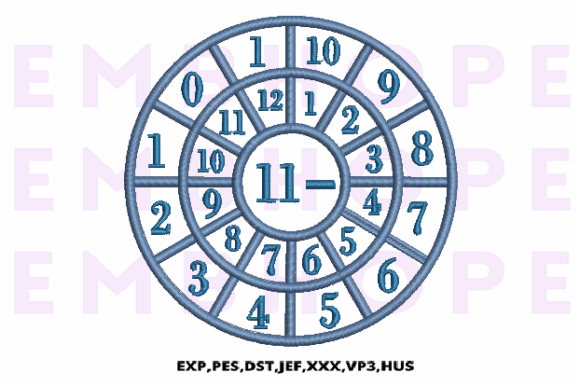
When I first opened the preview files for Minus Wheel 10, the immediate impression was one of brightness and approachability. The design carries a "cheery" mood, which is essential when creating products intended to make learning math less intimidating for young students. Unlike some educational graphics that feel sterile or overly clip-art-like, this design seems to have a distinct stitching personality. It appears to utilize a combination of fill stitch for the wheel bodies and likely satin stitch for the outlines and numerical details, giving it a textured, tactile quality that translates well to fabric.
The visual appeal here is not just about the image itself, but how it suggests movement and interaction. A "wheel" implies activity, which is perfect for engaging kids. For a designer, this means the embroidery file has the potential to elevate a simple garment into a conversation starter. The color palette suggested in the previews is vibrant, which is crucial for capturing attention in a classroom setting or on a retail shelf filled with muted tones.
Real-World Application Scenarios
To truly evaluate Minus Wheel 10, I mentally ran through several potential projects where this design would shine. The most obvious application is in custom apparel for schools or daycare centers. Imagine a series of t-shirts or polo shirts where each child has a different math concept embroidered on their chest. However, the versatility extends far beyond standard uniforms.
- Tote Bag Design: A canvas tote bag featuring this wheel would make an excellent "math kit" carrier for students. The sturdy fabric of a tote provides a stable base for the stitches, ensuring the design remains crisp.
- Sweatshirt Embroidery: For cooler months, embroidering this onto the sleeve or chest of a fleece sweatshirt adds a cozy, personalized touch. The texture of the fleece contrasts nicely with the smooth threads of the design.
- Embroidered Patch: If the licensing allows (which must be verified on the product page), creating iron-on or sew-on patches is a fantastic way to monetize this design. Patches can be applied to jackets, backpacks, or hats without committing to embroidering the final garment directly.
- Nursery Decor: Beyond wearables, this design fits beautifully on pillow covers or wall hangings in a child's study area, turning a learning tool into a piece of handmade product decor.
For Etsy sellers and craft fair vendors, the key is positioning. This isn't just a school supply; it is a personalized gift that shows thoughtfulness. A parent buying a blanket with this motif for a child struggling with subtraction sees a solution wrapped in love, not just a drill exercise.
Technical Considerations for Production
While the aesthetic is promising, any experienced embroiderer knows that the devil is in the details. Before running a production batch, there are several technical factors to consider with a design like Minus Wheel 10.
Stitch Density and Fabric Choice: Educational designs often include numbers or small symbols. If this design includes fine lettering or small numerical indicators within the wheel, stitch density becomes critical. On stretchy fabrics like jersey knits used for t-shirts, high-density areas can cause puckering if the proper stabilizer is not used. I would strongly recommend using a cut-away stabilizer for anything that will be washed frequently, such as school uniforms or kitchen towels used for drying hands after art class.
Hoop Size and Placement: Although the exact dimensions are not listed in the brief description, wheels can sometimes be wider than they are tall. It is vital to check the required hoop size before purchasing. If you are working with smaller hoops, you might need to split the design or choose a smaller hoop-compatible version if available. Furthermore, if applying this to curved surfaces like caps, the circular nature of the wheel is forgiving, but registration must be perfect to avoid the wheel looking oval or distorted.
Thread Colors and Contrast: The description mentions "bright and cheery" colors. In practice, this means you need a robust inventory of thread colors. When stitching on dark fabric, such as a navy blue sweatshirt, you must ensure the thread colors provide enough contrast. A light yellow wheel might get lost on a beige background, ruining the legibility of the math concept. Always run a test stitch-out on scrap fabric that matches your final product's weight and color.
Enhancing Product Value and Brand Trust
In the world of commercial embroidery, the perceived value of a finished product often hinges on the quality of the decoration. Using a well-digitized design like Minus Wheel 10 can significantly boost buyer trust. When a customer sees clean edges, consistent fill coverage, and no thread breaks, they associate that quality with your brand.
Moreover, consistency is key for boutique merchandise. If you are creating a line of educational products, this design offers a cohesive look. It allows for brand consistency across different items—whether it's an apron for a teacher or a pillow for a student's reading nook. The professional finish of a machine-embroidered item also enhances product photography. The sheen of the thread catches the light in photos, making listings on online marketplaces more attractive and increasing customer engagement.
Final Verdict and Practical Advice
Is Minus Wheel 10 worth downloading? For designers focusing on the education sector, children's boutiques, or handmade gifts, the answer leans towards yes, provided the technical specs match your machine capabilities. It fills a niche for "fun learning" decor that is often hard to find in high-quality digitized formats.
However, before you commit to a large order, adhere to these practical steps:
- Verify Licensing: Always check the Creative Fabrica product page for specific license terms regarding commercial use. Some designs allow unlimited physical sales, while others may have restrictions.
- Check File Formats: Ensure the download includes the specific digital embroidery file format compatible with your machine (e.g., PES, DST, EXP).
- Test Stitch-Out: Never skip the test phase. Stitch the design on the actual fabric you intend to sell. Check for small details after stitching to ensure no tiny elements pull out or distort.
- Review Details: Since the description cuts off at "Please note that t," there may be important usage notes or limitations hidden in the full description. Read the entire listing carefully to avoid surprises regarding file edits or redistribution rules.
In conclusion, Minus Wheel 10 represents a solid opportunity for embroidery professionals to create meaningful, functional, and visually appealing products. By paying attention to stabilizer choices, thread contrast, and licensing details, you can transform this simple math wheel into a best-selling item that brings joy and education to its recipients.