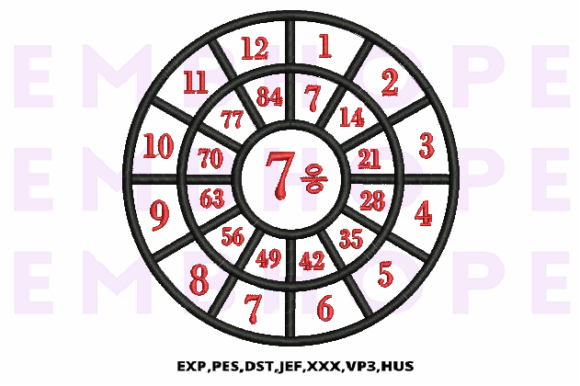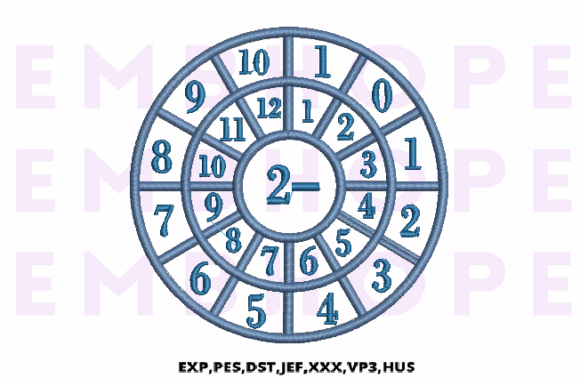
Minus Wheel 2: A Playful Asset for Small Business Merch
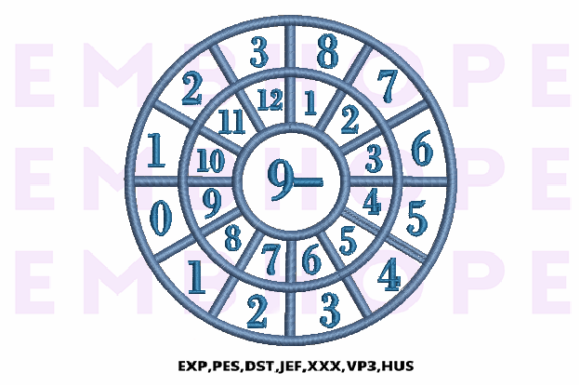
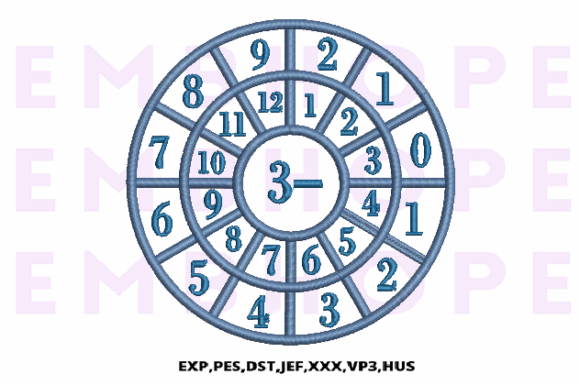
As an embroidery designer who has spent years digitizing and reviewing files for commercial use, I approach every new machine embroidery design with a critical eye. It is not just about whether the image looks cute on a screen; it is about how that digital embroidery file translates to fabric, withstands washing, and elevates a brand. Today, I am reviewing Minus Wheel 2, a design categorized under School and Embroidery, to see if it holds up as a viable asset for small business merchandise, branded patches, and custom apparel.
The product description highlights a "fun way to encourage kids to practice maths" with "bright and cheery" aesthetics. My first impression of Minus Wheel 2 is that it leans heavily into a playful, educational, and friendly visual personality. While its primary intent is clearly classroom decoration, savvy product designers and Etsy sellers know that whimsical math motifs have a life beyond the schoolhouse. For a creative studio, a boutique toy shop, or a bakery specializing in geometric cookies, this design offers a unique opportunity to create handmade product lines that feel approachable and intelligent simultaneously.
Evaluating Visual Personality for Brand Identity
When considering brand identity, the vibe of your stitched logo or accent matters immensely. Minus Wheel 2 exudes a sense of curiosity and learning. If you are running a local business like a tutoring center, a children's museum gift shop, or even a modern café that wants to highlight a "smart choice" loyalty program, this design works surprisingly well. The "bright and cheery" nature mentioned in the description suggests high saturation and clear outlines, which are excellent for grabbing attention on custom apparel.
However, for more serious corporate environments, this design might feel too juvenile unless used ironically or as a specific campaign element. The key here is context. As a reviewer, I see potential for this to become a signature mark for brands that want to appear community-focused and family-friendly. It adds a layer of warmth to small business merch that sterile, corporate logos often lack.
Real-World Applications in Commercial Embroidery
Let's discuss where Minus Wheel 2 actually shines in a production environment. The versatility of a design is often determined by how well it adapts to different substrates.
- Embroidered Patches: This is arguably the strongest use case. Creating a woven or merrow-edge patch with this design allows businesses to sell add-ons for backpacks, lunchboxes, or denim jackets. The circular "wheel" concept naturally fits the shape of a round or oval patch, minimizing wasted space and thread.
- Apron Embroidery: For bakeries or art studios hosting kids' workshops, stitching Minus Wheel 2 onto the chest of a canvas apron creates an instant uniform that signals "learning zone." It distinguishes staff from customers while maintaining a fun atmosphere.
- Cap Embroidery: Placing this on the front panel of a baseball cap or beanie can work, provided the design elements are not too dense. It serves as a great promotional item for school fundraisers or educational events.
- Tote Bag Design: Canvas totes are staples for teachers and parents. A large-scale version of this design on a tote bag transforms a simple carrier into a statement piece about the importance of education and creativity.
- Staff Uniforms: On work shirts for a tutoring franchise or a STEM camp, this acts as a recognizable badge of authority that is still welcoming to children.
In terms of commercial embroidery projects, the "bright" color palette suggested by the description implies a need for vibrant thread colors. This is fantastic for marketing materials where visibility is key. However, one must consider how these colors interact with the base garment. On dark uniforms, you may need to increase underlay or use lighter thread shades to ensure the "cheery" aspect isn't lost in the fabric.
Critical Considerations for Production Quality
While the aesthetic appeal is high, a professional review must address the technical challenges. The description notes that the designs look great "throughout the classroom," which often implies wall decor or large banners. Translating this to wearable goods requires caution regarding scale and density.
Stitch density is a major factor. Math symbols and wheel spokes can sometimes result in tight clustering of stitches. If the stitch density is too high, the design may become stiff, causing discomfort on wearables like caps or t-shirts. It could also lead to puckering on lighter fabrics. Before committing to a large run, I strongly advise testing the embroidery file on the actual fabric you intend to use.
Furthermore, small details pose a risk. If the "minus" signs or numbers within the wheel are tiny, they may not stitch out cleanly at smaller sizes, such as on a sleeve detail or a small pocket logo. Always check the minimum recommended size provided by the digitizer. If this information is missing from the product listing, request a sample or preview before purchasing.
Another technical hurdle is the hoop size. Circular designs often require specific hoop alignments to ensure the pattern remains centered, especially on curved surfaces like cap fronts. Ensure your machine's hoop capacity matches the dimensions of Minus Wheel 2 to avoid re-hooping errors.
Enhancing Customer Trust and Product Value
Using a well-executed design like Minus Wheel 2 can significantly boost perceived value. When a customer receives a tote bag or a patch with crisp, clean stitching, it reflects professionalism. It tells them that the brand cares about quality. Conversely, a poorly stitched math wheel with skipped stitches or bird nests undermines trust instantly.
For Etsy sellers and crafters, consistency is vital. If you are using this design across multiple products—say, a matching set of a mug rug, a patch, and a shirt—the visual consistency builds brand recognition. Customers begin to associate that specific cheerful math wheel with your shop's quality. This emotional connection drives repeat business and buyer engagement.
Practical Designer Notes for Implementation
To ensure the best results when integrating Minus Wheel 2 into your product line, follow these practical steps:
- Test in Black and White First: Before committing to expensive colored threads, stitch a test run in black thread on white fabric (or vice versa). This reveals issues with spacing and density without the distraction of color matching.
- Check Small Patch Viability: Verify if the design holds up when scaled down for a 2-inch patch. Fine lines may disappear or merge.
- Review Thread Color Contrast: Ensure there is enough contrast between the design elements and the background fabric, especially for items that will be viewed from a distance.
- Inspect Spacing: Look for areas where satin columns might be too close together, which can cause thread breakage or fabric distortion.
- Confirm Hoop Size: Double-check that the design fits comfortably within your available hoop, leaving room for clamps.
- Test on Real Fabric: Never rely solely on digital simulations. Stitch on the actual material (e.g., twill for patches, jersey for shirts) to see how it behaves.
- Use Proper Stabilizer: Given the likely geometric nature of the wheel, a cut-away stabilizer might be necessary for stretchy fabrics to prevent distortion over time.
- Create a Printable Mockup: Generate a printable mockup for client approval before stitching the final finished product. This manages expectations and prevents costly mistakes.
- Compare Beside Other Assets: Place this design next to your existing logo or other design assets to ensure stylistic harmony.
- Confirm Commercial Licensing: Crucially, verify the license terms. Just because a design is available for purchase does not automatically grant rights for unlimited commercial resale of physical goods. Check if there are restrictions on the number of items you can produce.
In conclusion, Minus Wheel 2 is a charming and potentially lucrative addition to a small business's catalog, particularly for those in the education, parenting, or creative sectors. Its "bright and cheery" demeanor makes it an excellent candidate for embroidered patch collections, staff uniforms, and promotional giveaways. However, success lies in the details. By carefully managing fabric texture, stabilizer choices, and sizing constraints, you can transform this simple math motif into a premium brand asset that resonates with customers and stands the test of time.