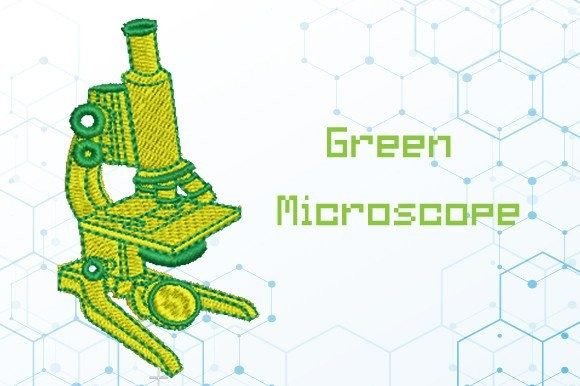
Green Microscope: A Pro Review for Small Business Merch
As an embroidery designer who has spent years digitizing and reviewing files for commercial use, I approach every new machine embroidery design with a critical eye. It is not just about whether the image looks cute on a screen; it is about how that digital embroidery file translates into thread on real fabric. Today, I am taking a close look at the Green Microscope. Inspired by students' science classes, this design carries a specific aesthetic that goes beyond simple decoration. For small business owners, apparel decorators, and handmade brands, understanding the potential of this motif is key to leveraging it for brand identity and customer engagement.
First Impressions: Professional Yet Playful
Upon loading the preview of the Green Microscope, the immediate impression is one of classic educational charm mixed with a modern, clean silhouette. The description notes that the microscope has a "beautiful shape," and in the context of digitization, this usually implies smooth curves and a balanced composition. For a business owner, this visual personality is versatile. It feels friendly and approachable, making it perfect for environments that want to appear knowledgeable but not intimidating. Whether you are running a local tutoring center, a boutique science kit shop, or a creative studio that values learning, this design strikes a balance between premium quality and playful spirit. It avoids being overly rustic or too starkly modern, sitting comfortably in a space that suggests tradition and discovery.
Real-World Applications for Small Business Merch
The true test of any embroidery file is its adaptability across different products. The Green Microscope shines particularly well in the realm of small business merch. Imagine a local café that hosts weekend STEM workshops for kids; this design would make an excellent chest logo accent on staff t-shirts, instantly communicating the event's theme without needing excessive text. For a florist or pet brand looking to expand into educational merchandise, this could be the centerpiece of an embroidered patch sewn onto tote bags or aprons.
In the context of custom apparel, this design works exceptionally well for uniform branding. Think of a science camp or a museum gift shop. Placing the Green Microscope on the sleeve of a polo shirt or the front of a cap creates a subtle yet effective mark of affiliation. For Etsy sellers and crafters, this asset can elevate a handmade product line. Sewing this motif onto a canvas tote or a denim jacket adds value, transforming a generic item into a themed piece of finished product that tells a story. It serves as a powerful tool for customer gifts or event merch, reinforcing the idea that your brand supports education and curiosity.
Ideal Use Cases
- Staff Uniforms: Perfect for science tutors, lab assistants, or workshop leaders wearing aprons or polos.
- Branded Patches: Ideal for iron-on or sew-on patches for jackets, backpacks, and hats.
- Tote Bag Design: Adds a thematic touch to reusable bags sold in bookstores or museum shops.
- Cap Embroidery: Works well on the front panel of baseball caps for summer camps or clubs.
- Product Packaging: Can be embroidered on fabric tags attached to handmade science kits or educational toys.
Technical Considerations and Placement Strategy
While the Green Microscope is visually appealing, professional execution requires attention to technical details. When planning commercial embroidery projects, one must consider where the design is placed. On curved surfaces like the front of a cap, the "beautiful shape" of the microscope needs to be digitized with enough pull compensation to prevent distortion. If the design features fine lines representing the eyepiece or the stage of the microscope, these areas are vulnerable on textured fabrics.
You must exercise caution if you intend to scale this design down for very small applications, such as a pocket logo on a child's shirt or a tiny label. High stitch density in small areas can lead to thread breaks or a stiff, cardboard-like feel on the fabric. Furthermore, if your thread colors rely heavily on specific shades of green to convey the "science" vibe, ensure there is sufficient contrast against dark uniforms. A dark navy or black polo might require a lighter outline or a backing layer to make the green pop effectively. Always review the spacing between elements; if the base and the arm of the microscope are too close, they may merge during stitching, losing the definition of the "beautiful shape" mentioned in the description.
Impact on Brand Identity and Trust
Using a cohesive visual element like the Green Microscope significantly boosts brand identity. Consistency in your visual assets builds customer trust. When a client sees the same high-quality embroidery on your apron, your tote bag, and your staff uniforms, it signals professionalism. It tells the customer that you care about the details, which translates to perceived value in your core products. For schools and educational organizations, this design reinforces the mission of learning and exploration. It creates a sense of community among members of a science club, fostering recognition and pride. In a crowded marketplace, a well-executed embroidered logo can be the difference between a forgettable item and a cherished piece of small business merch that customers wear proudly.
Designer Notes for Production Success
Before committing to a large production run, I strongly advise following these practical steps to ensure the Green Microscope performs as expected:
- Test in Black and White: Convert your printable mockup to grayscale to check if the design holds up without relying solely on color contrast.
- Check Small Sizes: Stitch a sample at the smallest intended size to ensure details do not collapse.
- Review Thread Contrast: Verify that the green threads stand out against your specific fabric choices.
- Inspect Spacing: Look closely at the digitized file to ensure distinct elements of the microscope do not touch unintentionally.
- Confirm Hoop Size: Ensure the design fits within your available hoop size without requiring re-hooping, which can cause alignment issues.
- Test on Real Fabric: Always run a test stitch-out on the actual material you plan to use, as fabric texture affects the final look.
- Use Proper Stabilizer: Select the right stabilizer for the garment weight to prevent puckering, especially on stretchy fabrics.
- Create Client Mockups: Present a realistic printable mockup to your client for approval before cutting into expensive inventory.
- Compare Assets: Place this design beside your other design assets to ensure visual consistency across your brand.
- Verify Licensing: Since this is intended for commercial embroidery, confirm the licensing terms of the digital embroidery file to ensure you have the rights for mass production and resale.
In conclusion, the Green Microscope is more than just a pretty picture; it is a strategic asset for businesses rooted in education, creativity, and community. By respecting the technical limitations of embroidery and leveraging the design's inherent charm, you can create merchandise that not only looks professional but also strengthens your connection with your audience. Whether it ends up on a science club shirt or a boutique tote, this design has the potential to become a recognizable symbol of quality and curiosity.