Color Guard: A Designer's Review for Branded Merch
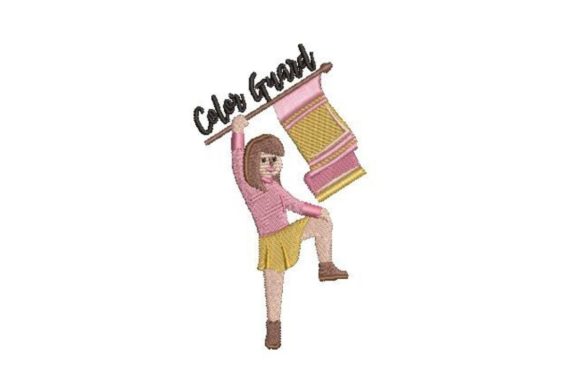
As an embroidery designer who has spent years digitizing and stitching logos for small businesses, I approach every new machine embroidery design with a critical eye. It is not just about whether a file looks cute on a screen; it is about how that digital embroidery file translates to fabric, withstands washing, and elevates a brand's identity. Today, I am reviewing the Color Guard design, a piece marketed as "cute and friendly" and suitable for school-related projects, parades, banners, and outfits. While the description suggests a playful vibe, my job is to determine if this asset can hold its own in the competitive world of commercial embroidery and small business merch.
First Impressions: Visual Personality and Brand Fit
Upon loading the Color Guard preview, the immediate impression is one of approachability. The descriptor "cute and friendly" rings true; this is not a stern, corporate monogram or a rugged industrial logo. Instead, it carries a spirited, decorative energy that feels handmade and welcoming. For certain niches, this is gold. Imagine a local bakery, a florist, or a creative studio looking to add personality to their staff uniforms. In these contexts, the playful nature of Color Guard works beautifully to humanize the brand.
However, for a high-end law firm or a minimalist tech startup, this design might feel too whimsical. The key here is alignment. If your brand identity relies on warmth, community, and creativity, this design is a strong contender. It screams "local" and "crafted," which are powerful selling points for Etsy sellers and boutique owners. The visual consistency it offers is less about rigid professionalism and more about engaging customer trust through charm.
Real-World Application: Beyond the School Banner
The product description mentions school projects and parades, but let's expand that horizon for the modern entrepreneur. How does Color Guard perform as a tangible business asset?
- Embroidered Patches: This is arguably the strongest use case. Creating a woven or merrow-edge patch with this design allows a business to create removable branding. A coffee shop could stitch these onto aprons that are washed daily, or sell them as collectible items for loyal customers.
- Cap Embroidery: Placed on the side panel or even the front of a unstructured cap, the friendly lines of Color Guard add a pop of color without overwhelming the wearer. It works well for event staff or team members at a street fair.
- Tote Bag Design: Canvas totes are a staple for handmade brands. Stitching this design onto a natural cotton bag creates an instant "finished product" that feels premium yet accessible.
- Apron Embroidery: For cafes and craft studios, branding the chest or waist tie of an apron is essential. The "cute" factor here makes the staff look approachable, inviting customers to strike up a conversation.
When used as a sleeve detail on work shirts or a chest logo accent, Color Guard acts as a subtle nod to the brand's personality. It is not shouting for attention, but it is definitely present. For custom apparel lines, this design could serve as the central graphic on a limited-run hoodie, appealing to a demographic that values unique, non-corporate aesthetics.
Technical Considerations for Production
While the aesthetic is promising, a professional review must address the technical realities of stitching. The description notes this is a machine embroi design intended for various projects, but specific technical data like exact stitch count or recommended hoop size is not provided in the summary. Before committing to a production run, you must verify these details with the file provider.
Here are my critical notes for executing Color Guard successfully:
- Test in Black and White First: Color can hide sins. Stitch a sample using only black thread on white fabric (or vice versa) to check the integrity of the shapes. If the design falls apart without color separation, the stitch density or spacing may be too tight for small applications.
- Check Small Patch Viability: If you intend to use this as a small label or a 2-inch patch, inspect the tiniest elements. Fine details often merge together when scaled down. Ensure there is enough negative space between elements to prevent thread bunching.
- Fabric Texture and Stabilizer: This design likely relies on clean outlines. On textured fabrics like pique polo shirts or thick canvas totes, you must use a robust stabilizer. A cut-away stabilizer is often safer than tear-away for items that will undergo frequent washing, ensuring the embroidered patch or direct stitch does not warp over time.
- Thread Color Contrast: Since the design is described as "color guard," it presumably uses multiple hues. Ensure your thread chart matches the intended vibrancy. Low contrast between adjacent colors can make the design look muddy from a distance.
- Curved Surfaces: Be cautious when applying this to cap fronts. The curvature of a hat can distort circular or wide designs. Always create a printable mockup or do a test stitch on a similar hat blank before promising a client a specific look.
Elevating Brand Identity and Customer Perception
In the era of handmade products and artisanal goods, the perceived value of an item is heavily influenced by its presentation. Using a well-executed design like Color Guard can significantly boost buyer engagement. It signals that the business cares about the details. When a customer receives a tote bag or an apron with a crisp, colorful embroidered logo, it reinforces the idea of quality.
For Etsy branding and craft business assets, consistency is key. If Color Guard becomes part of your visual language, ensure it is used consistently across all design assets. Do not mix this playful style with overly serious, rigid fonts elsewhere in your marketing. Let the friendliness of the embroidery permeate your social media and packaging. This cohesion builds recognition; customers begin to associate that specific stitched look with your level of service and product quality.
Final Verdict for Business Owners
The Color Guard design is a versatile tool in the arsenal of a creative entrepreneur. It bridges the gap between simple decoration and functional branding. While it shines brightest in environments that value a "cute and friendly" atmosphere—such as schools, boutiques, bakeries, and pet brands—it requires careful technical handling to ensure longevity.
Before integrating this into your commercial embroidery workflow, remember to confirm the commercial licensing terms. Just because a file is available for purchase does not automatically grant the right to sell finished goods made with it, though most designs intended for "creative embroidery projects" do allow for finished product sales. Always read the fine print.
Ultimately, if you are looking to add a touch of warmth and personality to your small business merch, Color Guard is a worthy investment. Test it rigorously, respect the limitations of your machinery and materials, and watch as it transforms plain fabrics into branded stories that customers want to wear and carry.