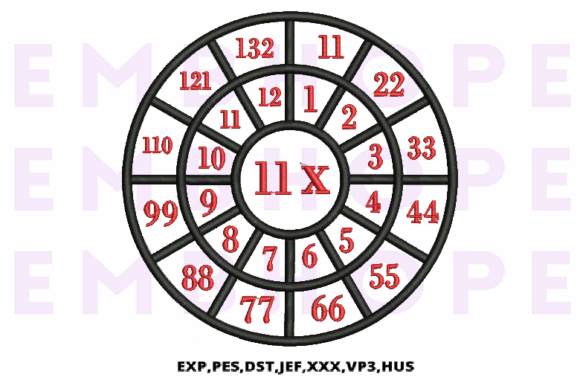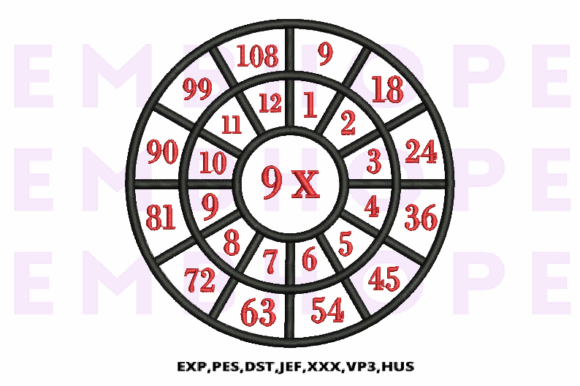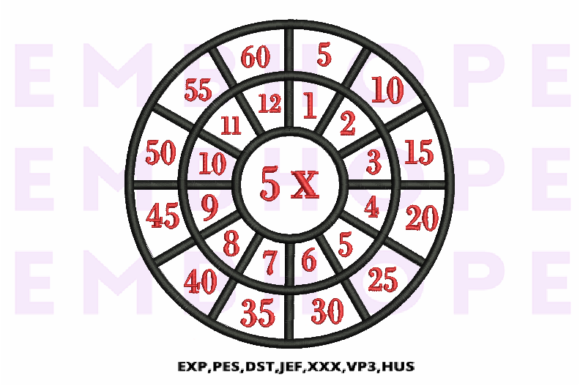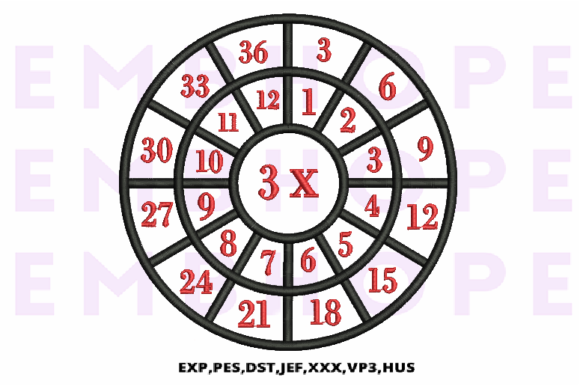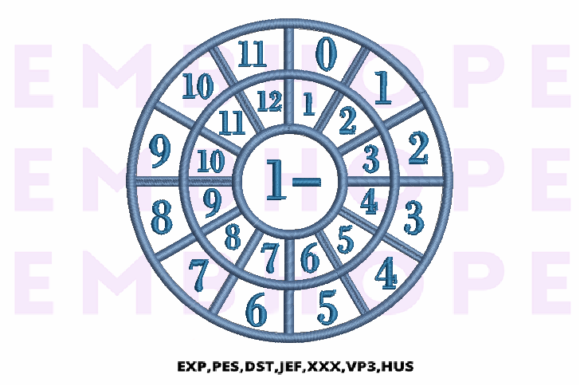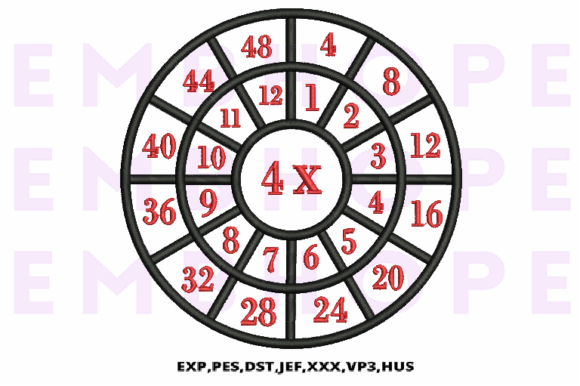
Reviewing Multiplication Math Wheels 4 X for Real Projects
As a designer who spends more time staring at stitch maps than finished garments, I have learned that the gap between a digital preview and a stitched reality is where most projects fail. When I first loaded the Multiplication Math Wheels 4 X file into my editing software, I was looking for more than just cute graphics. I was looking for structural integrity, stitch logic, and commercial viability. This design, categorized under School and intended for Embroidery applications, promises a fun way to encourage kids to practice multiplication. But does it hold up when put through the rigors of a real-world craft business?
First Impressions: Visual Personality and Layout
The immediate mood of this design is bright, cheery, and educational. It avoids the sterile look of standard textbook diagrams by incorporating playful elements that appeal to children. From a layout perspective, the circular "wheel" structure is inherently balanced. In embroidery, circular designs are often safer than long, horizontal ones because they distribute tension evenly across the hoop. This reduces the risk of fabric distortion, a common headache when working with stretchy materials like jersey knits.
The detail level appears moderate. It is not so dense that it will turn a soft cotton tee into a cardboard shield, nor is it so sparse that it lacks visual impact. For an experienced eye, this balance suggests a thoughtful approach to stitch density. The visual personality fits naturally into educational settings, making it an ideal candidate for classroom decor or teacher appreciation gifts. However, its charm is versatile enough to extend beyond the schoolhouse into home learning spaces.
Real-World Application: A Case Study
To truly evaluate this machine embroidery design, I imagined a specific client request. A local tutor wanted custom tote bags for her end-of-year student gifts. She needed something durable, recognizable, and age-appropriate. I visualized placing the Multiplication Math Wheels 4 X on a heavy canvas tote bag design.
In this scenario, the design performs exceptionally well. The bold lines of the wheel stand out against the textured weave of canvas. If I were using a satin stitch for the outer rings and a fill stitch for the central numbers, the contrast would be sharp. The design’s inherent symmetry means it centers easily, reducing setup time—a crucial factor for small shop owners producing batches of items. Whether applied to a sturdy apron for a young chef or a pillow cover for a study nook, the design maintains its clarity.
Versatility Across Product Lines
Beyond tote bags, this embroidery file shows promise in several other areas:
- Custom Apparel: It works well on sweatshirts, where the thicker fabric supports the stitch count without puckering.
- Baby Embroidery: Simplified versions or smaller scales could adorn bibs or onesies, provided the thread colors are soft and appealing.
- Holiday Embroidery: With seasonal thread choices, such as red and green, it can transition into back-to-school or holiday gift markets.
- Embroidered Patch: The self-contained shape is perfect for creating iron-on patches, adding value to a craft business offering modular accessories.
Technical Considerations and Fabric Compatibility
While the design is robust, it is not without its technical demands. Any designer knows that what looks good on screen can behave differently on fabric. Here is where practical judgment comes into play.
Fabric Texture and Stability: On thin or stretchy fabrics, such as lightweight t-shirts or rayon blends, this design requires careful stabilization. A cut-away stabilizer is likely necessary to prevent the weight of the stitches from pulling the fabric out of shape over time. If you are stitching on a textured fabric like terry cloth, you must ensure the design details are large enough not to get lost in the pile. Tiny lettering or intricate corners might merge, so checking the stitch path for potential overlaps is essential.
Stitch Density and Thread Colors: The description mentions "bright and cheery" designs, which implies a multi-color palette. When executing this as a finished product, thread color contrast is vital. If the background fabric is dark, you may need to adjust the thread colors or add an underlay to ensure the math wheels pop. Conversely, on light fabrics, ensure the thread isn’t so sheer that the fabric shows through the fill areas. Testing the design in black and white mockups can help you verify that the contrast holds up even without color cues.
Challenges with Curved and Small Surfaces
Using this design on curved surfaces, such as caps or hats, requires caution. The rigid geometry of a math wheel can distort if the hoop tension is not perfectly managed on a curved cap frame. Additionally, if you attempt to scale this down for a small hoop size, such as a 4x4 inch hoop, you risk losing legibility. The numbers within the wheel must remain distinct. If the design becomes too small, the running stitch elements might break, or the satin stitch borders might become too narrow to stitch cleanly. Always check the minimum recommended size before committing to a small project.
Commercial Value and Brand Consistency
For Etsy sellers and creative entrepreneurs, the visual appeal of a design directly impacts buyer engagement. The Multiplication Math Wheels 4 X offers a professional look that builds customer trust. It signals that the maker cares about quality and relevance. When used in printable mockups or digital product previews, the clean lines photograph well, enhancing the perceived value of the handmade product.
Brand consistency is another key factor. If your small shop focuses on educational tools or children’s apparel, this design aligns perfectly with your niche. It reinforces your brand identity as a provider of thoughtful, functional, and attractive items. However, if your brand is minimalist or adult-focused, this design might feel out of place. Know your audience.
Practical Designer Notes for Best Results
Before you sell your first item or gift this piece, follow these practical steps to ensure success:
- Test on Scrap Fabric: Never stitch a new design directly on your final garment. Use a scrap piece of the same fabric and stabilizer combination to check for puckering or thread breaks.
- Verify Licensing: The product description notes "Please not," which seems cut off. It is critical to confirm the license terms. Can you use this digital embroidery file for commercial embroidery projects? Are there limits on the number of finished items you can sell? Clarify this before listing products.
- Check File Formats: Ensure the download includes the format compatible with your machine. While most modern machines read multiple formats, having the native file allows for last-minute edits.
- Inspect Small Details: Zoom in on the stitch map. Look for jump stitches that might need trimming or areas where the needle penetrates the same spot repeatedly, which can cause thread bunching.
- Consider the End User: If this is for a child’s item that will be washed frequently, ensure the threads are high-quality polyester or rayon that can withstand agitation without fading or fraying.
Final Verdict
The Multiplication Math Wheels 4 X is a solid addition to a designer’s library. It bridges the gap between educational utility and aesthetic charm. For those in the School category looking for engaging Embroidery assets, it offers a reliable, visually pleasing option. By respecting the technical requirements of stitch density, fabric choice, and stabilization, you can transform this digital asset into a high-value handmade product. Whether for a custom apparel line, a boutique gift shop, or a personal project, this design proves that functionality and fun can coexist in every stitch.