Reviewing Minus Wheels 1: A Craft Fair Math Hit
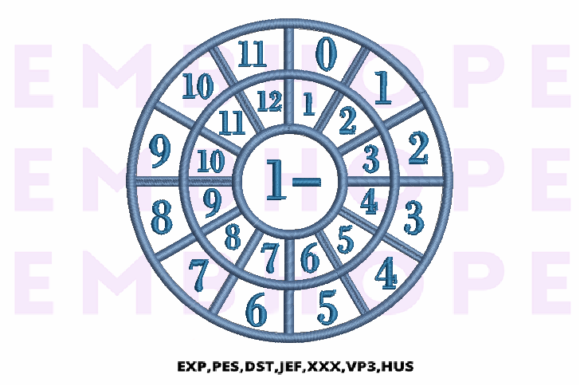
As an embroidery designer preparing for a busy weekend at the local craft fair, my table needs to tell a story. It isn't just about stitching; it is about curating a collection of handmade products that solve problems, spark joy, or make perfect gifts. When I pulled up the digital embroidery file for Minus Wheels 1, my immediate reaction was one of practical excitement. This isn't just another decorative flourish; it is a functional, educational tool disguised as cute art. The description promises a "fun way to encourage kids to practice maths," and in the world of School supplies and teacher appreciation gifts, that is a powerful selling point.
First Impressions and Visual Appeal
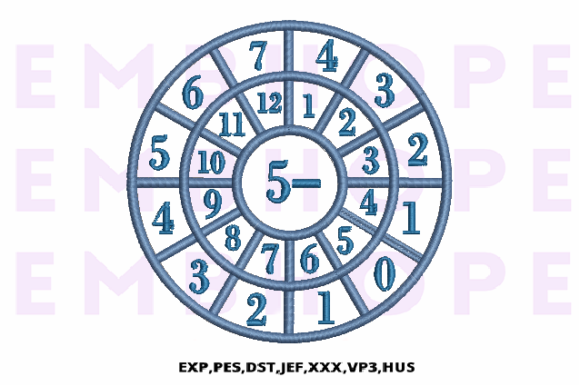
The first thing you notice about Minus Wheels 1 is its cheerful energy. Based on the title and the promise of "bright and cheery" aesthetics, this design feels modern, playful, and incredibly approachable. It does not scream "farmhouse rustic" or "elegant minimalism"; instead, it lands squarely in the category of bold, educational fun. For a craft fair booth, this visual pop is essential. When parents and teachers are walking past rows of generic floral motifs, a design that explicitly mentions math practice stops them in their tracks. It signals utility. It tells the customer, "This isn't just pretty; it helps your child learn."
The visual appeal here drives customer attention immediately. In a sea of soft, pastel embroidery designs, something labeled as a "wheel" for subtraction suggests interactivity. Even if the design itself is static, the concept invites engagement. For brand consistency, if your shop focuses on educational tools or kid-centric items, Minus Wheels 1 fits perfectly. It elevates the perceived value of the finished product because you aren't just selling thread on fabric; you are selling a learning aid.
Strategic Product Placement for Maximum Sales
Knowing where to place Minus Wheels 1 is the difference between a slow sales day and a sold-out booth. I evaluated several potential canvases for this machine embroidery design, considering both production speed and customer desire.
- Tote Bags: This is arguably the strongest contender for a tote bag design. A canvas tote featuring a large, clear version of the wheel becomes a reusable homework helper. It is durable, washable, and large enough for the details to remain clear. Parents love these for carrying library books or math worksheets.
- Aprons: An apron embroidery project using this design makes sense for the "homeschool mom" demographic or for classroom volunteers. Placed on the bib or the lower pocket, it adds a touch of whimsy to cooking or crafting sessions that involve measuring and counting.
- Tea Towels: While tea towel embroidery is a staple of craft fairs, waffle weave textures can sometimes eat up small details. However, if the design has bold outlines, a linen tea towel becomes a fantastic kitchen reference chart for kids helping with baking fractions or subtraction.
- Patches and Pouches: Creating an embroidered patch allows for versatility. A customer can buy the patch to iron onto a backpack or jacket later. Small fabric pouches embroidered with the wheel are excellent for holding manipulatives like counters or dice.
For online Etsy sellers, this design also shines in printable mockup listings. Because the concept is so clear, digital previews showing the design on a colorful backpack or a bright lunchbox will convert browsers into buyers quickly. It serves as a high-value design asset for those looking to expand their catalog beyond standard monograms.
Production Realities and Technical Considerations
Before committing to a batch run of fifty tote bags, any experienced crafter knows we must address the technical realities of commercial embroidery. The description notes the design is "bright and cheery," which implies a multi-color palette. When working with thread colors, contrast is king. If you are stitching this onto a dark navy backpack, ensure the thread choices pop. You do not want the math wheels to get lost in the background.
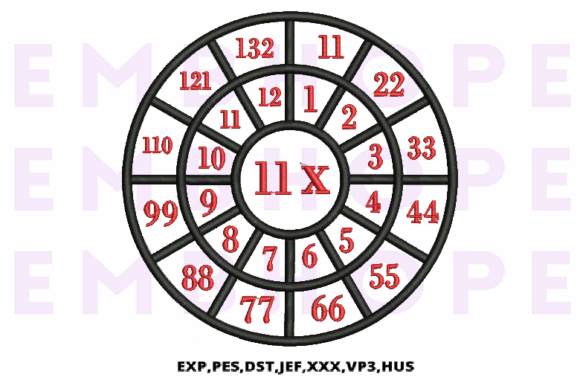
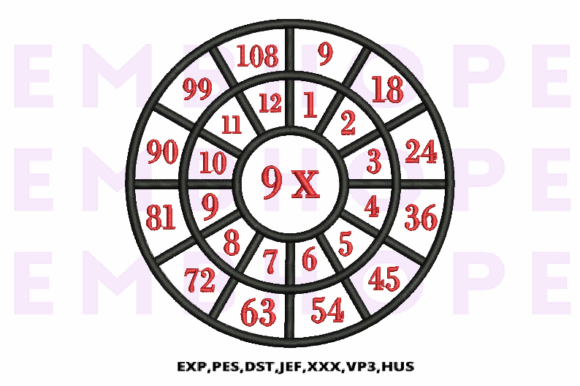
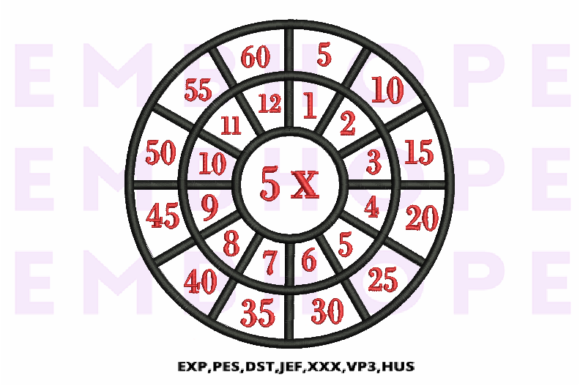
Stitch density is another critical factor. Educational designs often include numbers or small symbols. If Minus Wheels 1 includes tiny numerals within the wheel, you must be cautious about the hoop size and the scale of the output. Stitching too small on a textured towel can cause the numbers to merge into a blob of thread. Always test the design on scrap fabric that matches your final product's weight and texture. If the design feels too dense, it might pucker lightweight cotton, ruining the look of a premium small shop product.
Curved surfaces, like caps, present a unique challenge. While a cap with a math theme is cute, the curvature can distort circular designs like wheels. Unless you have significant experience digitizing for caps or adjusting hoop placement, stick to flat surfaces like tote bags and pillow covers for this specific design to ensure clarity.
Batch Production and Booth Strategy
One of the greatest advantages of Minus Wheels 1 is its repeatability. For a craft fair vendor, time is money. This design appears structured and likely standardized, making it ideal for batch production. You can hoop multiple layers of stabilizer and fabric, stitch out a run of ten tote bags, and move on. This efficiency allows you to keep your booth stocked without burning out before the event opens.
However, a word of caution regarding licensing: The product description cuts off with "Please note that t...", which suggests there are specific terms you must verify. Before selling any craft fair product made with this file, you must confirm the commercial licensing terms. Some designers allow unlimited physical sales but restrict digital redistribution. Ensure you are compliant to protect your business.
Final Designer Notes for Success
To truly make Minus Wheels 1 a star in your lineup, follow these practical steps:
- Test First: Never skip the scrap fabric test. Check how the thread interacts with the specific material you intend to sell.
- Check Contrast: Hold your thread spools against the fabric under natural light. Does it read clearly from three feet away?
- Review Spacing: Ensure there is enough breathing room between the wheel elements so they don't look cluttered.
- Create a Mockup: Make at least one pristine sample to display on your table. Customers need to see the quality of the stitches up close to justify the price.
- Verify Details: Since the full specs weren't provided in the short description, double-check the recommended stabilizer type and exact hoop requirements before starting your production run.
In conclusion, Minus Wheels 1 is more than just a cute pattern; it is a strategic product choice for the education-focused market. By placing it on the right items and respecting the technical limits of embroidery, you can create a line of handmade products that are both profitable and genuinely useful for families and classrooms alike.