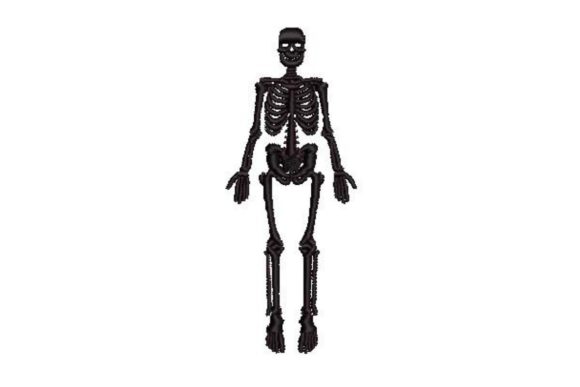
Vintage Anatomical Skeleton: A Designer's Holiday Review
As an experienced embroidery designer constantly scanning the market for the next big seasonal hit, I recently took a close look at the Vintage Anatomical Skeleton machine embroidery design. When planning a holiday collection, the difference between a product that sits on the shelf and one that flies off the virtual rack often comes down to the emotional resonance of the artwork. This specific design immediately caught my eye because it bridges the gap between macabre curiosity and playful festivity, making it a versatile asset for any Etsy seller or small shop product creator looking to capitalize on the autumn and winter seasons.
The first impression of the Vintage Anatomical Skeleton is one of nostalgic charm mixed with a touch of wit. Unlike scary Halloween graphics that feel dated by November 1st, this anatomical approach feels timeless and educational, yet undeniably fun. It carries a decorative style that leans heavily into the "cottage goth" or "vintage apothecary" aesthetic, which has been trending strongly in home decor and apparel. The detail level appears sufficient to stand out on larger items while maintaining enough clarity to be recognizable on smaller goods. For those of us creating holiday embroidery collections, this design offers a unique emotional tone: it is playful without being childish, and spooky without being aggressive. It fits perfectly into a lineup that includes cozy sweaters, rustic kitchen linens, and quirky gifts.
Strategic Applications for Seasonal Sales
In a real-world selling scenario, the versatility of this digital embroidery file is its strongest selling point. Imagine building a limited-time product drop for the holidays. The Vintage Anatomical Skeleton shines when applied to sweatshirt embroidery. Picture a heather grey crewneck with the skeleton stitched in charcoal and bone-white threads, paired with a hilarious quote as suggested in the product description. This creates an instant conversation starter, perfect for family matching items or gift bundles.
Beyond apparel, this design transforms simple household items into premium handmade gifts. Consider kitchen towel embroidery; a set of flour sack towels featuring this skeleton holding a coffee mug or a rolling pin adds a layer of personality to a standard hostess gift. For home decor enthusiasts, stitching this onto a linen pillow cover using metallic thread accents can elevate the piece from a craft project to a high-end decorative item. I also see immense potential for tote bag design applications. A canvas tote with this vintage motif serves as an excellent alternative to generic holiday shopping bags, appealing to customers who want something unique for their daily carry.
For those venturing into accessories, an embroidered patch featuring the skeleton allows customers to customize their own jackets or hats, increasing engagement and perceived value. When creating printable mockup graphics for social media previews, the distinct lines of the anatomical structure render beautifully, ensuring that your online listings grab attention in a crowded feed. Whether you are setting up a craft fair display or optimizing Etsy listings, the visual recognition of this skeleton helps establish brand consistency across different product categories.
Navigating Technical Challenges and Fabric Choices
While the artistic potential is high, a professional review must address the technical realities of stitching the Vintage Anatomical Skeleton. As with any detailed machine embroidery design, there are specific scenarios where caution is required. If you are working with small hoop sizes, you must verify that the intricate bone details do not become lost or muddy. Tiny lettering added next to the skeleton should be tested rigorously; what looks clear on a screen may turn into a blob of thread on thick fabric.
Fabric texture plays a crucial role in the final outcome. On thick towels or looped fabrics, the stitch density needs to be managed carefully to prevent puckering. I strongly advise using a proper stabilizer—likely a cut-away for garments that will undergo repeated washing—to ensure the design remains crisp over time. When working on dark fabric, the choice of thread colors becomes critical. You may need to adjust the color palette from the default to ensure the skeleton pops against navy, black, or deep burgundy backgrounds. Conversely, on stretchy garments, improper stabilization can lead to distortion, ruining the anatomical accuracy that makes this design so appealing.
Curved caps present another challenge. The flat nature of an anatomical drawing might distort when stitched onto a structured front panel unless the digitizing accounts for the curve. Always stitch a test run on a scrap piece of your intended material before committing to your production batch. This step is non-negotiable for maintaining customer trust and ensuring your finished product meets professional standards.
Maximizing Buyer Emotion and Product Value
The true power of the Vintage Anatomical Skeleton lies in its ability to evoke specific buyer emotions during the holiday shopping period. It taps into a sense of whimsical nostalgia that resonates with a wide demographic, from teachers looking for unique classroom decor (fitting the School category subtly) to adults seeking quirky personalized gifts. By offering this design on various items, you increase the perceived value of your shop. Customers are not just buying a stitched image; they are buying a piece of art that reflects their personality.
Engagement during the holidays is driven by uniqueness. A standard snowman or Santa design is expected, but a vintage skeleton wearing a scarf or holding a "Happy Holidays" sign stops the scroll. This distinctiveness fosters brand loyalty. When customers see that you offer thoughtful, well-executed seasonal embroidery that goes beyond the clichés, they are more likely to return for future purchases. Furthermore, the "funny quote" aspect mentioned in the product description invites interaction. It encourages customers to imagine their own captions, driving comments and shares on social media platforms.
Essential Designer Notes for Production
To ensure success with this design, keep these practical notes in mind before launching your collection:
- Thread Testing: Always test thread colors on both light and dark fabric to confirm contrast and visibility.
- Density Check: Review the stitch density to ensure it doesn't overwhelm delicate fabrics like baby items or thin linens.
- Hoop Confirmation: Confirm the required hoop size matches your machine capabilities before purchasing the file.
- Stabilizer Selection: Match your stabilizer type to the fabric weight; heavier items need robust support.
- Mockup Realism: Create realistic mockups that show the texture of the stitches, not just a flat graphic overlay.
- Detail Inspection: After stitching, review small details under good lighting to ensure no jumps or breaks compromise the anatomy.
- Color Planning: Plan matching color palettes that align with current seasonal trends, such as muted earth tones or classic black and white.
- Licensing Verification: Crucially, confirm commercial licensing terms before selling. The product description hints at creative freedom, but you must verify if the digital embroidery file allows for unlimited sales of finished goods.
Since the provided description does not specify exact stitch counts, file formats, or definitive license terms, it is imperative to check these details with the vendor prior to mass production. Assuming these technical specs align with your equipment, the Vintage Anatomical Skeleton stands out as a robust, emotionally engaging, and commercially viable choice for your upcoming Embroidery projects. By treating it with the care it deserves regarding fabric choice and stabilization, you can create a line of products that feels both premium and playfully festive, securing your place in the competitive holiday market.