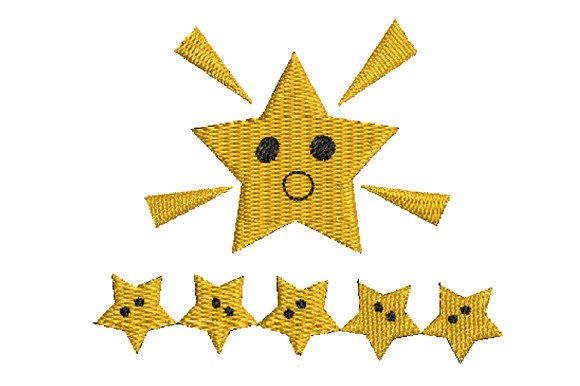
Reviewing The Stars of All Good Children Design
As a designer who has spent years digitizing patterns and testing them on everything from delicate silk to heavy denim, I approach every new machine embroidery design with a mix of curiosity and skepticism. We have all been there: you download a cute graphic, load it onto your machine, and hope for the best, only to find puckered fabric or thread breaks halfway through. That is why I took a close look at The Stars of All Good Children. This piece lands in the Freebies category, which often raises questions about quality, but after evaluating its potential for real-world application, I found it to be a surprisingly versatile asset for specific niches.
First Impressions and Visual Personality
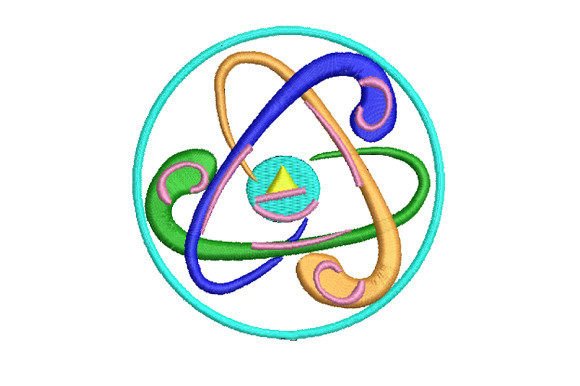
The first thing that strikes you about The Stars of All Good Children is its gentle, encouraging mood. It does not scream for attention with aggressive lines or overly complex shading. Instead, it offers a clean, approachable aesthetic that feels right at home in educational or nurturing environments. The layout suggests a balance between simplicity and charm, making it ideal for projects where the message needs to be clear and uplifting.
For those of us creating design assets for small businesses, the visual personality here is key. It avoids the cluttered look that often plagues free downloads. The shapes appear well-defined, suggesting that the digitizer paid attention to how the satin stitch and fill stitch areas interact. This is crucial because a design intended for children or students needs to look soft and inviting, not rigid or industrial. When I visualize this on a printable mockup, it immediately brings to mind pastel tones and soft textures, reinforcing its suitability for gentle, positive messaging.
Real-World Application: From Concept to Finished Product
To truly judge an embroidery project, you have to imagine it stitched out. I recently worked on a custom order for a local preschool teacher who wanted personalized tote bags for her students’ end-of-year gifts. The Stars of All Good Children would have been a perfect fit for this scenario. Imagine this design centered on a canvas tote bag design, stitched in bright, primary colors or soft pastels depending on the child’s preference. The theme of encouraging good behavior aligns seamlessly with the product’s purpose, adding emotional value to the handmade product.
Beyond tote bags, consider the potential for sweatshirt embroidery. A crewneck sweatshirt with this design on the left chest or larger on the back could serve as a wonderful uniform for daycare staff or a comforting item for a child struggling with behavioral milestones. The design’s structure seems robust enough to hold up on thicker fabrics like fleece or cotton blends, provided the stitch density is appropriate for the material. For Etsy sellers and craft business owners, this versatility is a major selling point. It allows you to create a cohesive line of personalized gift items that speak to parents looking for positive reinforcement tools.
I also see strong potential in the baby embroidery market. Placed on a muslin swaddle or a bib, the design could serve as a sweet reminder of growth and kindness. However, when moving to smaller items, scale becomes critical. You must ensure the design fits within the intended hoop size without losing detail. If the stars or text elements are too small, they may merge together, losing the clarity that makes the design effective.
Navigating Fabric and Technical Challenges
While The Stars of All Good Children is visually appealing, practical execution requires careful planning. One common pitfall with free or low-cost digital embroidery file options is inconsistent density. Before committing to a final finished product, I always recommend testing the design on scrap fabric that matches your final material. If you are stitching on a stretchy fabric like a t-shirt, a cut-away stabilizer is non-negotiable to prevent distortion. For woven fabrics like aprons or pillow covers, a tear-away stabilizer might suffice, but always test first.
Textured fabrics present another challenge. If you plan to use this on a towel or a rough linen, the finer details of the stars might get lost in the fabric’s texture. In such cases, increasing the contrast of your thread colors can help the design pop. Conversely, on smooth, dark fabrics, you might need to adjust the underlay stitches to ensure the top stitches lay flat and bright. This is particularly important for commercial embroidery where consistency across multiple units is expected.
Curved surfaces, such as caps or hats, require extra caution. If this design is not specifically digitized for caps, placing it on a curved surface could cause gaps or pulls. Always check if the embroidery file includes a version optimized for caps, or stick to flat surfaces like patches and bags to maintain professional quality. An embroidered patch made with this design could be a fantastic alternative, allowing you to apply the motif to various items without worrying about hoop constraints on the final garment.
Enhancing Brand Value and Customer Trust
For small shop product creators, the choice of design reflects directly on your brand. Using a well-executed design like The Stars of All Good Children can enhance customer trust. It shows that you care about the message and the quality of the item. When customers see a clean, crisp stitch-out with no loose threads or puckering, they are more likely to return for future purchases. This design supports brand consistency if your shop focuses on family-friendly, educational, or inspirational items.
Moreover, the "freebie" nature of this Embroidery asset does not have to mean low value. By pairing it with high-quality materials and precise stitching, you elevate the perceived worth of the item. It becomes a thoughtful holiday embroidery gift or a meaningful keepsake rather than just another mass-produced item. This approach helps differentiate your offerings in a crowded marketplace like Etsy, where uniqueness and quality drive buyer engagement.
Practical Designer Notes for Best Results
Before you start stitching, keep these practical tips in mind to ensure the best outcome with The Stars of All Good Children:
- Test on Scraps: Always run a test stitch on the same fabric and stabilizer combination you plan to use for the final product. This helps you identify any tension issues or density problems early.
- Check Thread Contrast: Use a color wheel to select thread colors that stand out against your fabric. High contrast improves readability, especially for designs with finer details.
- Verify File Formats: Since this design comes with multiple embroidery file formats, ensure you are using the one compatible with your specific machine model to avoid conversion errors.
- Review Licensing: Even though it is a freebie, always confirm the license terms. Can you use it for commercial embroidery? Are there restrictions on the number of items you can sell? Clarifying this protects your business legally.
- Inspect Small Details: Zoom in on your software to check for tiny jumps or unnecessary trims. Cleaning up the path can reduce thread waste and improve the look of the back of the design.
- Mockup in Black and White: Convert your preview to grayscale to check for value contrast. If the design disappears in black and white, it may lack definition on certain fabric colors.
In conclusion, The Stars of All Good Children is a thoughtful addition to your library of design assets. It may not be the most complex pattern available, but its strength lies in its appropriateness for specific, heartwarming projects. Whether you are creating a custom apparel line for a school, crafting personalized gift items for new parents, or expanding your Etsy seller portfolio with meaningful decor, this design offers a solid foundation. With careful attention to fabric choice, stabilizer selection, and stitch quality, you can transform this simple digital file into a cherished tangible object that resonates with its recipient.