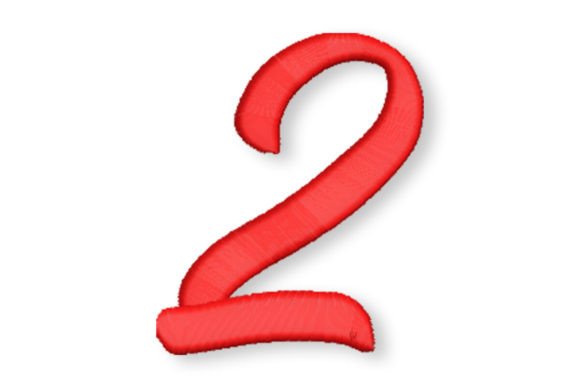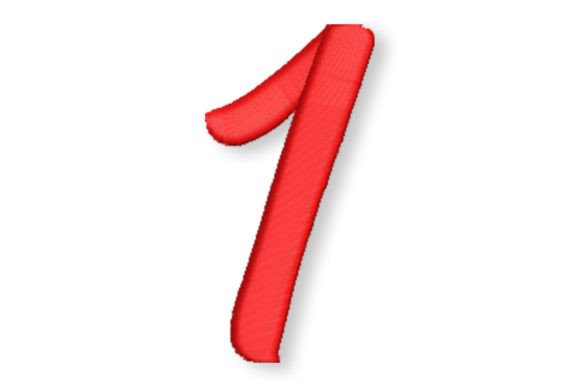
Reviewing Script Number One for Boutique Apparel
As an embroidery designer who spends countless hours digitizing and testing fonts for client collections, I am always on the lookout for typefaces that bridge the gap between legibility and artistic flair. When I recently browsed the Creative Fabrica embroidery library for my upcoming autumn collection, Script Number One caught my eye. It is not just another font; it is a versatile tool for anyone looking to elevate their custom apparel offerings. In this review, I will break down how this machine embroidery design performs on real garments, from cozy hoodies to structured denim jackets, and why it might be the missing piece in your boutique brand toolkit.
First Impressions: Visual Personality and Stitching Mood
The first thing you notice about Script Number One is its balanced elegance. It does not lean too heavily into the ornate, which can often look dated or overly formal on casual wear. Instead, it offers a clean, flowing aesthetic that feels both premium and approachable. The visual personality is distinctly feminine yet neutral enough for unisex projects. When I loaded the digital embroidery file into my software to preview the stitch path, I was pleased to see a logical flow that minimizes unnecessary jumps and trims.
The stitching mood is soft and inviting. For a designer, this translates to a "handwritten" feel that adds a personal touch to mass-produced blanks. Whether you are aiming for a rustic vibe or a modern minimalist look, this script adapts well. It lacks the heavy, blocky weight of collegiate fonts, making it ideal for lifestyle products where subtlety is key. The detail level is high enough to look professional but not so intricate that it becomes a nightmare to stitch out on textured fabrics.
Performance on Sweatshirts and Hoodies
The primary test for any script font is how it handles the bulk and texture of fleece. I imagined placing Script Number One on a series of neutral sweatshirts and pastel hoodies for a new line. On chest placements, the font shines. Its moderate height ensures that letters do not get lost in the nap of the fabric, while the connecting strokes remain intact. For sweatshirt embroidery, this is crucial; overly thin connections can snap or look messy on fluffy materials.
I also considered sleeve accents. A small instance of this script on the lower sleeve of an oversized hoodie creates a subtle branding opportunity without overwhelming the garment. However, when planning back designs, scale matters. Because this is a script, expanding it too large can sometimes expose imperfections in the curve digitizing. I recommend keeping back prints to a medium size to maintain the integrity of the letterforms. On dark apparel, the contrast provided by lighter thread colors makes the script pop, creating a sophisticated look that appeals to higher-end buyers.
Versatility Across Apparel and Accessories
Beyond hoodies, Script Number One proves its worth on various substrates. On t-shirts, particularly those with a smoother jersey knit, the design looks crisp and clean. It is an excellent choice for t-shirt embroidery where you want a touch of elegance without the heaviness of a patch. For denim jackets, the script provides a beautiful contrast to the rugged texture of the denim. Here, using a thicker thread or a satin stitch border can help the design stand out against the twill weave.
Tote bags are another fantastic application. A simple monogram or a short phrase in this script transforms a basic canvas bag into a desirable handmade product. For Etsy sellers and small shop owners, this versatility means you can create cohesive collections across different product types. Imagine a matching set of a hoodie and a tote bag, both featuring the same script font in coordinating colors. This visual consistency strengthens brand identity and encourages customers to purchase multiple items.
Navigating Fabric Challenges and Placement
While Script Number One is versatile, it requires careful handling on certain surfaces. Stretchy fabrics and ribbed cuffs present challenges for any script font. The natural stretch of the material can distort the delicate curves of the letters. To mitigate this, I always advise using a cut-away stabilizer rather than a tear-away for these areas. This provides ongoing support and prevents the design from puckering after washing.
Dense stitch areas are another consideration. If you are layering this script over a filled shape or another design, ensure that the underlying layers are not too bulky. On curved surfaces, such as the shoulder of a raglan sleeve, hooping technique is vital. Proper stabilization and careful alignment are necessary to prevent the script from appearing warped. For tiny lettering, test extensively. While the font is legible, extremely small sizes may lose definition in the connecting strokes, especially on textured fleece.
Enhancing Brand Value and Customer Engagement
Using a high-quality script like Script Number One can significantly affect the perceived value of your finished product. Customers associate clean, well-executed embroidery with professionalism and quality. When your small shop product features consistent, attractive typography, it builds buyer trust. It signals that you care about the details, which is a key differentiator in the crowded market of commercial embroidery.
For social media graphics and printable mockups, this font photographs beautifully. The smooth lines catch the light in a way that highlights the sheen of the thread, making your online listings more appealing. High-quality visuals drive engagement, and a recognizable typographic style helps with product recognition. Over time, if you use this script consistently across your collection, it can become part of your brand’s visual language, making your items instantly identifiable to your followers.
Practical Notes for the Embroidery Designer
Before launching a full production run, there are several technical steps you must take. First, always test on scrap fabric that matches your final garment. Do not skip this step. Check your stabilizer choice; for fleece, a medium-weight cut-away is usually best, while for t-shirts, a lightweight tear-away might suffice depending on the fabric stability.
Review the embroidery file details provided by the creator. Script Embroidery Font Number One comes with multiple embroidery file formats and can be used with multiple embroidery machines. This flexibility is a major advantage, but you must confirm that the specific format you need is included for your machine model. Additionally, verify the hoop size requirements. Ensure your machine can accommodate the largest letter or word combination you plan to stitch.
Inspect the stitch density in your editing software. If the density seems too high for your fabric, consider adjusting it slightly to reduce puckering. Compare placement options on a actual garment before stitching. Finally, always check the licensing terms on Creative Fabrica. Ensure that your intended use, whether for physical custom apparel or digital designs, complies with the license agreement. This due diligence protects your business and ensures a smooth production process.
In conclusion, Script Number One is a strong contender for any designer’s library. It offers the right blend of style and practicality for modern boutique apparel. By understanding its strengths and respecting its limitations on different fabrics, you can create stunning, professional-grade pieces that resonate with your customers. Whether you are an experienced Etsy seller or just starting your journey in School of embroidery design, this font provides a reliable foundation for creative expression.