Review: Multiplication Math Wheels 10 X for Stitchers
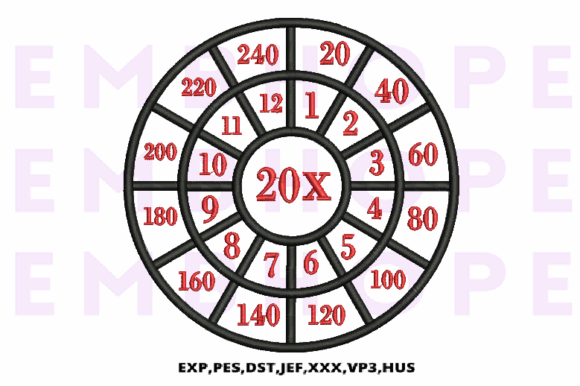
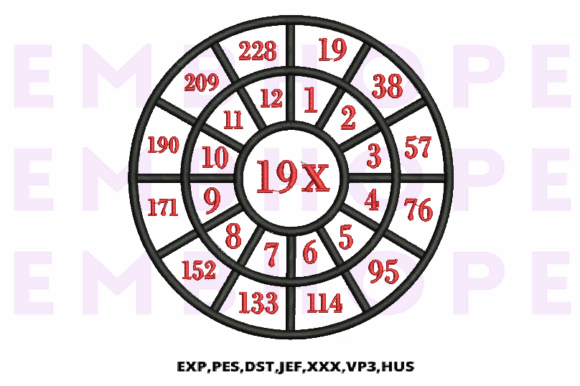
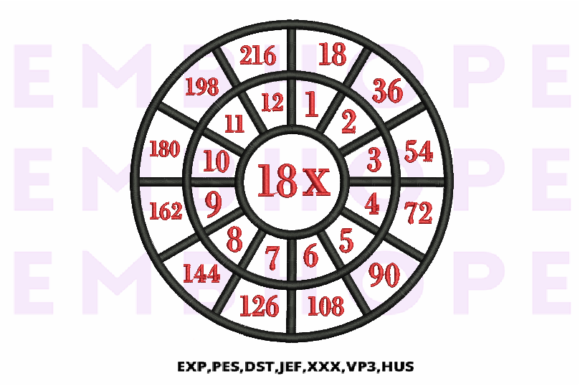
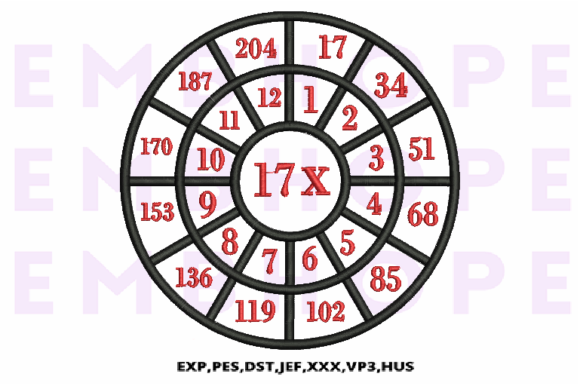
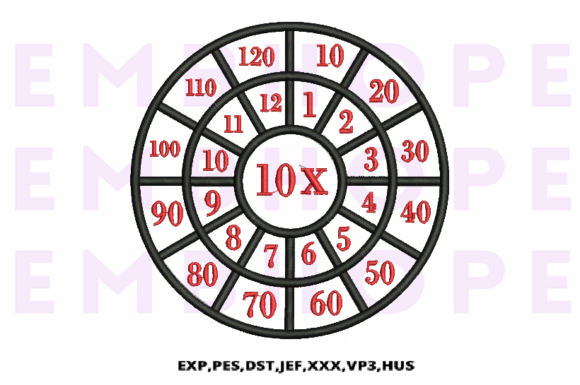
As a designer who spends more time staring at stitch maps than actual fabric, I have learned that the difference between a cute digital preview and a successful finished product often comes down to practical application. When I first loaded the Multiplication Math Wheels 10 X into my editing software, my initial reaction was one of cautious optimism. We see countless educational motifs in the School category, but few manage to balance pedagogical clarity with aesthetic charm. This design aims to be a fun way to encourage kids to practice multiplication, utilizing bright and cheery times table visuals that are intended to look great embroidered throughout the classroom.
However, knowing the intent is different from knowing how it stitches out. I approached this machine embroidery design with the mindset of a small business owner preparing a batch of custom orders. My goal was not just to see if it looked good on screen, but to determine if it would hold up on a real-world item, such as a heavy canvas tote or a soft fleece sweatshirt, without causing puckering or thread breaks.
First Impressions and Visual Personality
The visual personality of Multiplication Math Wheels 10 X is undeniably cheerful. The circular "wheel" layout is a smart choice for embroidery because it contains the design within a predictable boundary, making hoop placement easier. The mood is playful yet structured, which is essential for educational tools. For an Etsy seller or a craft business owner targeting parents and teachers, this aesthetic hits the right note. It feels approachable and friendly, avoiding the sterile look of standard textbook graphics.
From a design perspective, the layout relies heavily on clear segmentation. In embroidery, this usually translates to distinct color blocks. If this design utilizes fill stitch areas for the wheel segments, it will provide a solid, vibrant look that pops against neutral fabrics. If it leans more on satin stitch borders or running stitch details for the numbers, the texture will be smoother and less dense. Without seeing the specific stitch file, I advise checking the density map. Educational designs often cram a lot of information into a small space, which can lead to excessive stitch counts if not optimized.
Real-World Application: The Classroom Tote Scenario
To test the viability of this design, I imagined a specific client project: a set of personalized tote bags for a third-grade teacher. These bags need to hold heavy books, withstand frequent washing, and look professional enough for a boutique school supply shop. Here is where the rubber meets the road.
Embroidering Multiplication Math Wheels 10 X on a canvas tote bag design requires careful attention to stabilizer choice. Because the design likely features multiple colors to distinguish the times tables, registration becomes critical. If the wheel is large, you must ensure your hoop size accommodates the full diameter without distorting the fabric. I recommend using a cut-away stabilizer for totes, as the tension from the embroidery can pull on woven cotton over time. A tear-away might leave the fabric too flexible, causing the design to pucker after the first wash.
For sweatshirt embroidery, the scenario changes. Fleece is thick and textured. If the thread colors chosen are too subtle, the details of the math wheel might get lost in the pile of the fabric. In this case, high-contrast threads are non-negotiable. I would suggest testing the design on a scrap piece of the exact fleece weight you plan to use. If the design includes tiny text for the multiplication results, verify that the font size is legible once stitched. Small lettering on textured fabric is a common failure point in custom apparel.
Navigating Fabric and Hoop Constraints
While the design is described as bright and cheery, its performance depends heavily on where you place it. Curved surfaces, such as caps or hats, present a unique challenge. Embroidering a flat circular wheel on a curved crown can cause distortion at the edges. If you attempt this, use a strong backing and consider reducing the pull compensation in your software if you have the editable file. For embroidered patch creation, however, this design is ideal. Patches allow you to stitch on a flat, stable surface before applying the item to a garment, ensuring perfect registration of the math elements.
Be cautious with thin or stretchy fabrics. If you are creating baby embroidery items like onesies, the density of the wheel could be too stiff for delicate skin. In such cases, consider scaling the design down or using a lighter weight thread. Additionally, dark fabrics require careful planning. If the design relies on light-colored threads for the numbers, you may need an underlay or a white base layer to prevent the dark fabric from showing through, which can muddy the visual clarity of the math problems.
Commercial Viability and Brand Consistency
For digital product sellers and small shop product creators, consistency is key. Does Multiplication Math Wheels 10 X fit your brand? If your shop specializes in minimalist, modern decor, this cheerful, colorful style might clash. However, if your brand focuses on playful, educational, or nostalgic themes, this design is a strong asset. It adds value to personalized gift offerings, particularly for back-to-school seasons or holiday gifts for teachers.
When creating printable mockup images for your online store, ensure the lighting highlights the texture of the stitches. Buyers of handmade items want to see the quality of the work. Show the design on various items—aprons, pillow covers, or tea towels—to demonstrate versatility. This helps customers visualize the embroidery project in their own homes or classrooms.
Practical Designer Notes for Best Results
Before you commit to a large production run or list this as a new item in your shop, follow these practical steps:
- Test on Scrap Fabric: Always stitch a test sample on the same material you intend to sell. Check for thread breaks and registration issues.
- Check Thread Contrast: Ensure the numbers are readable against the background colors. High contrast improves educational utility.
- Review Stitch Density: If the design feels stiff after stitching, consider removing unnecessary underlays or reducing density in non-critical areas.
- Confirm Hoop Size: Measure the design dimensions accurately. Do not assume it fits standard hoops without checking the specific file details.
- Inspect Small Details: Zoom in on the numbers. Are they clear? Do they merge together? Tiny details can become blobs if the stitch length is too long.
- Verify Licensing: The product description mentions it is for classroom use, but always confirm the license terms for commercial sales. Can you sell finished items? Can you resell the digital embroidery file? Clarify this before listing products.
In conclusion, Multiplication Math Wheels 10 X offers a charming solution for educational embroidery. Its success lies in the execution. By paying attention to fabric choice, stabilizer support, and thread contrast, you can transform this digital asset into a high-quality handmade product that delights customers and stands up to daily use. Whether for a holiday embroidery gift or a staple in your commercial embroidery catalog, this design has potential, provided you respect the technical demands of stitching complex, multi-color educational graphics.