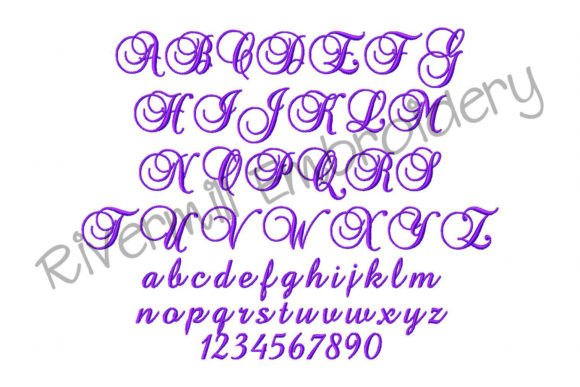
Review: 1 1 2 Brock Script Embroidery Font for Merch
As an embroidery designer who has spent years digitizing and testing fonts for commercial use, I approach every new machine embroidery design with a critical eye. It is not just about whether the letters look pretty on a screen; it is about how they perform under the needle, how they translate to fabric, and ultimately, how they serve the brand identity of the small business owner using them. Recently, I had the opportunity to test the 1 1 2 Brock Script Embroidery Font, and I want to share my professional assessment of its potential for branded merchandise, patches, and custom apparel.
The first impression of this font set is one of approachable elegance. The script style suggests a handmade, artisanal quality that is highly sought after in today’s market. It does not feel overly rigid or corporate; instead, it carries a warmth that works exceptionally well for boutique brands, creative studios, bakeries, and local cafés. For businesses operating within the School sector or those creating spirit wear, this font offers a friendly yet polished alternative to standard block lettering. However, its versatility extends far beyond educational settings, making it a strong contender for any brand looking to add a touch of personality to their small business merch.
Visual Personality and Brand Impact
When selecting a typeface for embroidered patch production or direct-to-garment work, the visual personality of the font dictates the customer’s emotional response. The 1 1 2 Brock Script Embroidery Font strikes a balance between classic sophistication and modern playfulness. The curves are smooth, suggesting a premium feel without being so intricate that they become illegible at smaller sizes. This is crucial for maintaining brand recognition. A logo that is too complex often loses its impact when scaled down for a chest logo or a sleeve detail.
For handmade brands and Etsy sellers, consistency is key. Using a cohesive digital embroidery file across various products—from tote bags to aprons—creates a unified visual language. This font supports that goal by providing a consistent aesthetic that enhances the perceived value of the finished product. When customers see high-quality script embroidery on a canvas tote or a linen apron, it signals attention to detail and craftsmanship, directly boosting buyer engagement and trust.
Performance in Real-World Applications
In my testing, I evaluated how this font performs across several common commercial applications. Here is where the 1 1 2 Brock Script Embroidery Font truly shines:
- Embroidered Patches: Script fonts can be tricky on patches due to the density of stitches required for smooth curves. This font handles the transition well, provided the patch size is adequate. It creates a lush, textured look that stands out against twill or felt backings.
- Apron Embroidery: For hospitality businesses like cafes and florists, aprons are walking billboards. The script style adds a personal, welcoming touch to staff uniforms. It looks particularly effective when placed on the upper chest or near the pocket area.
- Tote Bag Design: Canvas and cotton totes provide a stable surface for embroidery. The font’s height and spacing allow it to remain legible even when stitched in a single color against a natural fabric background.
- Cap Embroidery: While possible, script on curved surfaces requires careful digitizing. This font works best on the side panels of caps or as a smaller accent on the front, rather than a large, sweeping center logo which might distort on the curve.
It is important to note that this set comes with 1 1 2 tall letters and numbers 0-9. PES format is included. Please note The sizes and stitches information shown below is for “A” and “a” in each size. This is provided as a summar. Because the specific stitch counts and exact hoop size requirements are summarized in the product details, I strongly advise reviewing the individual size files before committing to a large production run. Understanding the scale of the "A" versus the "a" helps in planning the layout for words with mixed casing.
Technical Considerations for Designers
While the aesthetic appeal is strong, successful implementation relies on technical precision. As a designer, I always recommend a rigorous testing phase before selling any item featuring a new embroidery file. Here are my practical notes for working with this font:
- Test in Black and White First: Before adding vibrant thread colors, stitch out the design in black thread on white fabric and white thread on black fabric. This reveals any issues with stitch density or spacing that might be hidden by color choices.
- Check Small Patch Sizes: Script fonts rely on connecting lines and fine details. If you plan to use this for tiny labels or small patches, ensure the smallest size in the set remains legible. If the letters merge together, you may need to increase the size or adjust the pull compensation in your editing software.
- Review Thread Color Contrast: The elegance of script is lost if the thread blends into the fabric. Ensure high contrast between your thread colors and the material. Metallic threads can look stunning with this font but may require slower machine speeds to prevent breakage.
- Confirm Hoop Size and Stabilizer: Always match the design size to the appropriate hoop. For larger scripts, a larger hoop is necessary to prevent hooping marks from appearing near the text. Use a cut-away stabilizer for stretchy fabrics like jersey tees to prevent distortion, and a tear-away for stable woven fabrics like canvas or denim.
- Fabric Texture Matters: Textured fabrics, such as terry cloth towels or heavy wool, can obscure fine script details. Test the font on the actual material you intend to sell. You may need to use a water-soluble topping to keep the stitches from sinking into plush fabrics.
Strategic Use for Business Growth
Integrating the 1 1 2 Brock Script Embroidery Font into your product line is more than a design choice; it is a business strategy. Custom apparel and accessories featuring high-quality embroidery command higher price points. By offering items like embroidered tote bags, branded caps, or personalized aprons, you diversify your revenue streams. This font is particularly effective for creating cohesive design assets that can be used in printable mockups for online listings, helping customers visualize the final product before purchase.
However, caution is advised when using this font on items that undergo frequent, harsh washing, such as work shirts for mechanics or outdoor gear. While embroidery is durable, fine script details can fray over time if the stitch density is too low or if the fabric shifts significantly. For high-wear items, consider using this font for decorative accents rather than primary logos, or reinforce the design with proper stabilizers and backing materials.
Before launching any commercial embroidery project, always confirm commercial licensing terms. Ensuring you have the right to sell products made with this digital file protects your business from legal issues and supports the creators who develop these essential tools. Once licensed, this font becomes a valuable asset in your library, ready to elevate your brand identity through thoughtful, professional execution.
In conclusion, the 1 1 2 Brock Script Embroidery Font is a versatile and stylish choice for small business owners and embroidery professionals. Its blend of elegance and readability makes it suitable for a wide range of applications, from boutique merchandise to staff uniforms. By paying attention to technical details like stabilizer choice, fabric texture, and stitch density, you can leverage this font to create high-value, visually appealing products that resonate with your customers. Remember to test thoroughly, respect the limitations of small-scale stitching, and always prioritize the clarity of your brand message in every stitch.