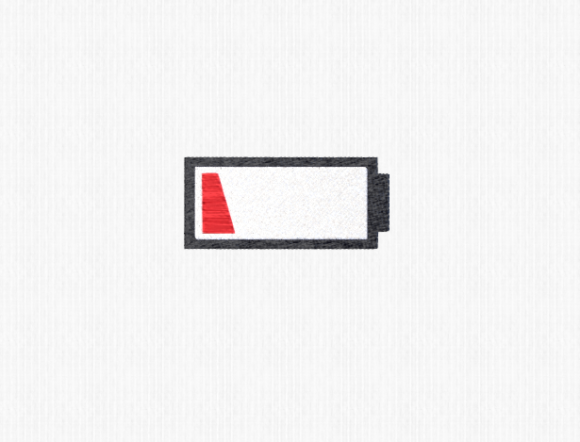
Low Battery: A Modern Embroidery Design Review
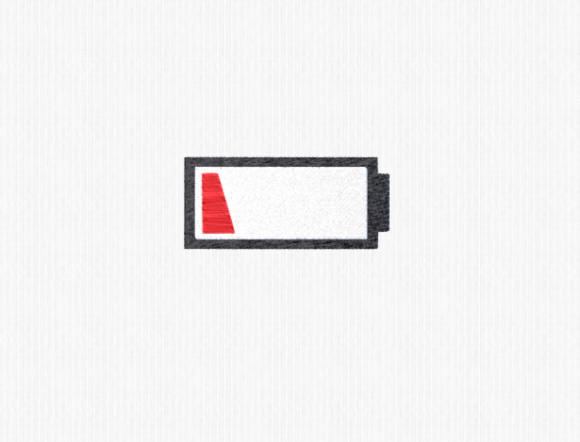
As a designer who spends more time staring at stitch simulations than actual fabric, I am always on the lookout for graphics that translate well from screen to thread. We see a lot of trendy icons come and go in the machine embroidery design world, but few have the staying power of universal symbols. That is why I took a close look at the Low Battery design. On paper, it sounds simple—a discharged battery icon—but in the context of real-world embroidery, simplicity is often where the biggest technical challenges hide. This review breaks down how this specific file performs when you move beyond the digital preview and start stitching on actual garments and goods.
First Impressions and Visual Personality
The moment you load the Low Battery file into your editing software, the mood is immediately clear: it is playful, modern, and slightly relatable. We all know that feeling of a dying phone, and capturing that anxiety in a cute, stitched format creates an instant connection with the viewer. The layout is clean, relying on strong geometric lines rather than intricate shading. For a professional, this is promising. Complex gradients often turn into muddy messes under the needle, but a bold icon like this suggests a reliance on solid fill stitch areas and crisp satin stitch borders.
The visual personality of Low Battery leans heavily into the "tech-meets-craft" aesthetic. It feels right at home in the School category, perhaps as part of a larger collection of digital life icons for a student's backpack or laptop sleeve. However, its appeal extends far beyond the classroom. It has a unisex quality that works for adult custom apparel just as well as it does for younger demographics. The design doesn't scream; it whispers a modern joke, which is exactly the kind of subtlety that sells well in boutique settings.
Real-World Application Scenarios
To truly test the viability of this embroidery file, I imagined several production scenarios that a typical Etsy seller or small shop owner might face. The most obvious application is a sweatshirt embroidery project. Picture a heather grey crewneck with the Low Battery icon stitched over the left chest in black and red thread. The contrast would be sharp, and the density of the fill would hold up well against the fuzzy texture of fleece.
Another strong contender is a tote bag design. Canvas bags provide a stable, non-stretch surface that is ideal for maintaining the structural integrity of the battery shape. If you are running a craft business focused on teacher gifts or graduation items, this could be paired with text like "Recharging..." to create a humorous personalized gift. I also considered its use on an embroidered patch. Because the shape is self-contained without long, wandering run stitches, it would digitize beautifully as a merrowed edge patch, adding value to a finished product line.
For those targeting the nursery market, a scaled-down version could work as baby embroidery on a onesie, perhaps signaling nap time. However, this requires careful attention to scale, which leads us to the technical limitations.
Technical Considerations and Fabric Challenges
While the concept is solid, the execution depends entirely on how the file handles specific fabric types. The Low Battery design features sharp corners and likely a small exclamation point or lightning bolt detail depending on the specific variation. These are danger zones for stitch density issues. If you are stitching this on a textured fabric like a waffle knit or a thick towel, the tiny details might get lost or cause bird-nesting if the underlay isn't sufficient.
You must be cautious with stretchy fabrics. If you attempt this on a thin jersey t-shirt without the proper stabilizer, the rigid fill stitches could cause the fabric to pucker, distorting the rectangular shape of the battery into a trapezoid. Always test on scrap fabric first. Furthermore, curved surfaces like caps present a challenge. The flat geometry of the battery icon might look warped if not centered perfectly on the front panel of a hat. In these cases, verifying the recommended hoop size is critical to ensure you have enough room to stabilize the area correctly.
Color choice is another factor that affects the final look. While the default might be black and red, experimenting with thread colors can change the entire vibe. A neon green outline on a dark hoodie gives it a gaming aesthetic, while pastels soften it for a holiday embroidery gift. However, avoid low-contrast combinations on dark fabrics; the definition of the "low" status needs to pop to be understood instantly.
Impact on Brand and Customer Perception
Using a recognizable icon like Low Battery can significantly boost buyer engagement. It acts as a visual hook that stops the scroll on social media or craft fair tables. For commercial embroidery projects, consistency is key. If this design is part of a larger set of tech-icons, it helps build brand recognition. Customers trust products that look professionally finished, and a clean, well-stitched icon conveys that level of care.
However, the perceived value drops if the stitching is sloppy. Because the image is so familiar, any deviation in the aspect ratio or jagged edges will be immediately noticeable to the consumer. This design demands precision. It is not a "forgiving" pattern like a floral swirl where minor errors blend in. The geometric nature exposes flaws. Therefore, using high-quality design assets and checking the stitch path before running a production batch is essential for maintaining professionalism.
Final Designer Notes and Recommendations
Before you commit to selling Low Battery as a small shop product or incorporating it into a client order, there are a few housekeeping steps you must take. First, inspect the file in your embroidery software. Look closely at the tiny corners and the transition between color blocks. Ensure there are no unnecessary jumps or trims that could slow down your machine.
Second, create printable mockup images to gauge market interest before stitching a single thread. Show the design on different backgrounds—light, dark, and colored—to see where it shines. Third, and perhaps most importantly, confirm the licensing terms. Just because a file is available for purchase does not automatically grant rights for unlimited commercial embroidery use. Check if there are restrictions on the number of physical items you can sell or if the license covers digital resale.
Finally, remember that while this design fits the School category, its true potential lies in its versatility. Whether it is a funny addition to a gym bag, a statement piece on a denim jacket, or a quirky detail on a pillow cover, Low Battery offers a modern touch to traditional stitching. Just respect the technical requirements of the medium, choose your materials wisely, and you will find that this little icon packs a big punch in the handmade marketplace.